Investigative Stories
Lightning Toll Rises as Safety Systems Lag
In rural communities like Raksirang in Makawanpur district, lightning is no longer just a seasonal event. It has become a recurring threat. Despite mounting human and economic losses, risk‑reduction efforts remain scant.

At around 6 p.m. on June 27, 2025, Enos had just returned home from work. His wife, Rubina, was sitting on the porch while their six-year-old daughter, Anika, played nearby.
Dark clouds gathered over Maisirang in Makawanpur. Lightning flashed across the sky, followed by heavy rain and rolling thunder. Moments later, a lightning strike knocked Rubina and Anika to the ground.
Both were rushed to hospital unconscious. A week later, only Rubina returned home.
Anika did not survive.
After performing her daughter's funeral rites, Rubina left for her parents' home.
"Lightning took my daughter away, and my wife refuses to come back home," says 28-year-old Enos. "If I didn't have chickens and goats to look after, I wouldn't stay here either."
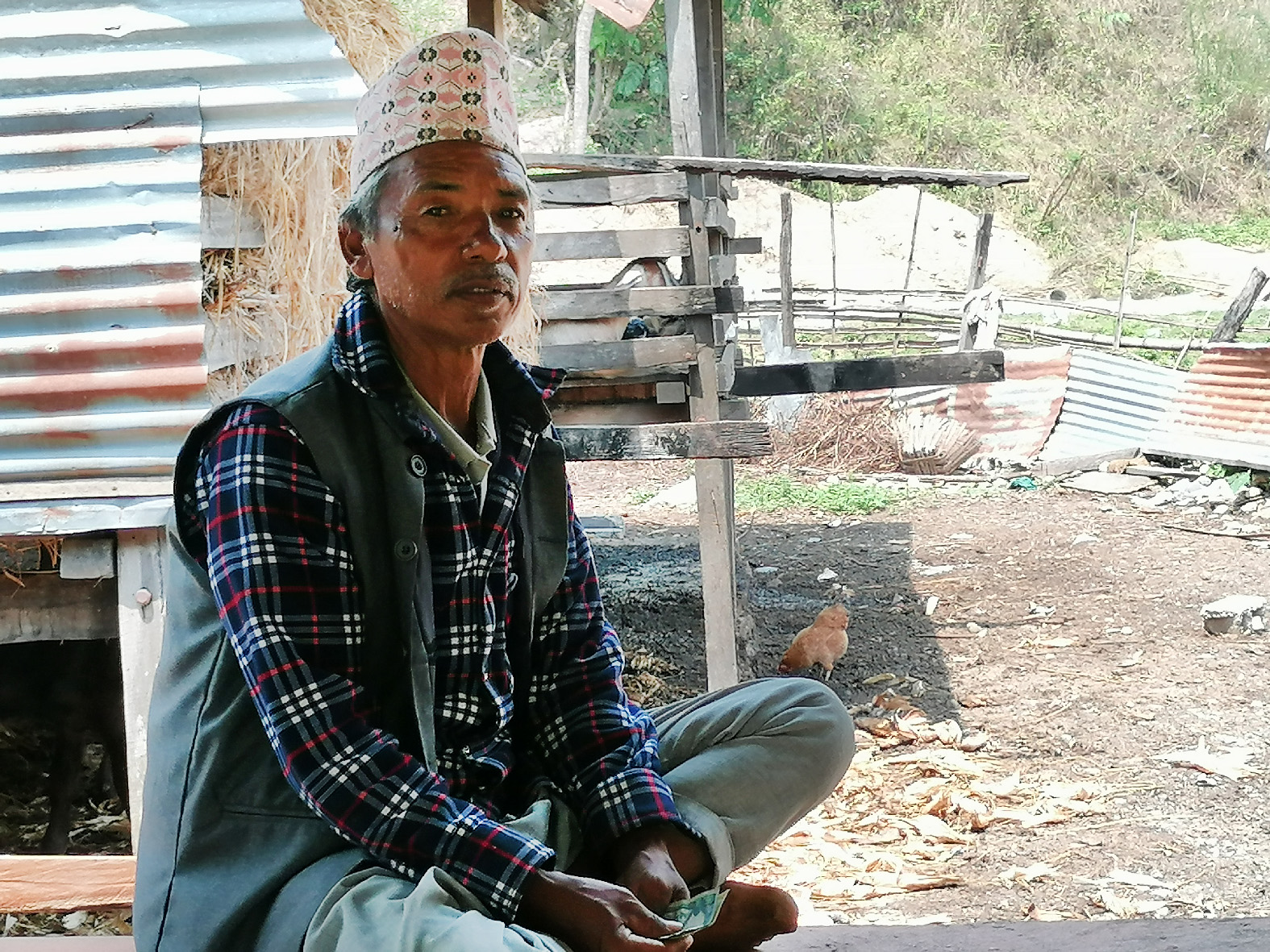
In the same village of Maisirang, sixty-nine-year-old Sitaram Syangtang has survived lightning strikes three separate times. Nearly five years ago, he had just returned from shopping in nearby Manahari Bazaar and was about to enter his house when lightning struck.
"It was the month of Ashadh during the monsoon season," recalls his wife, Kanchhi Maya, who was inside the house. "He and two porters collapsed right here." She says the villagers burned dried thatching grass and held the smoke under their noses until they regained consciousness. In Maisirang, the belief persists that inhaling smoke from thatching grass can revive people knocked unconscious by lightning.
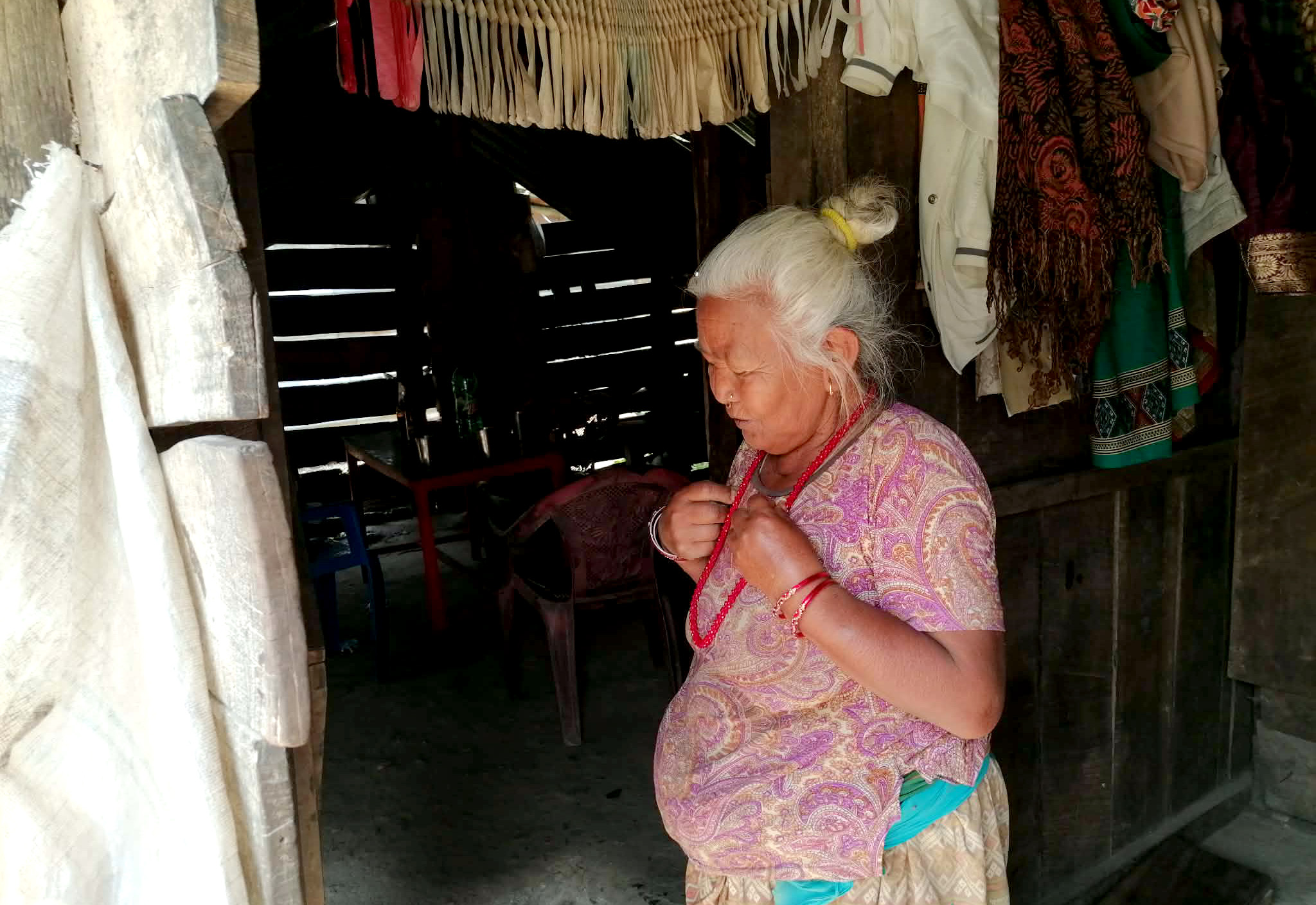 According to local resident Gun Bahadur Gole, Sitaram was also struck by lightning in 1978 while sheltering in his own shop. Sitaram himself recalls another strike in 1975.
"Fortunately, I'm still in one piece," he says.
Stories like Sitaram's can be heard across many villages in Makawanpur, where every rumble of thunder brings dread. Yet the government has neither an effective early warning system, nor accessible medical support for many of the people most at risk.
Makawanpur Among Nepal's Highest-Risk Districts
Lightning in Makawanpur is no longer viewed as an isolated seasonal phenomenon and is increasingly recognized as a recurring disaster causing loss of life, injuries and property damage.
Data from Nepal's National Disaster Risk Reduction and Management Authority (NDRRMA) show that both the frequency of lightning strikes and resulting casualties are on the rise in the district.
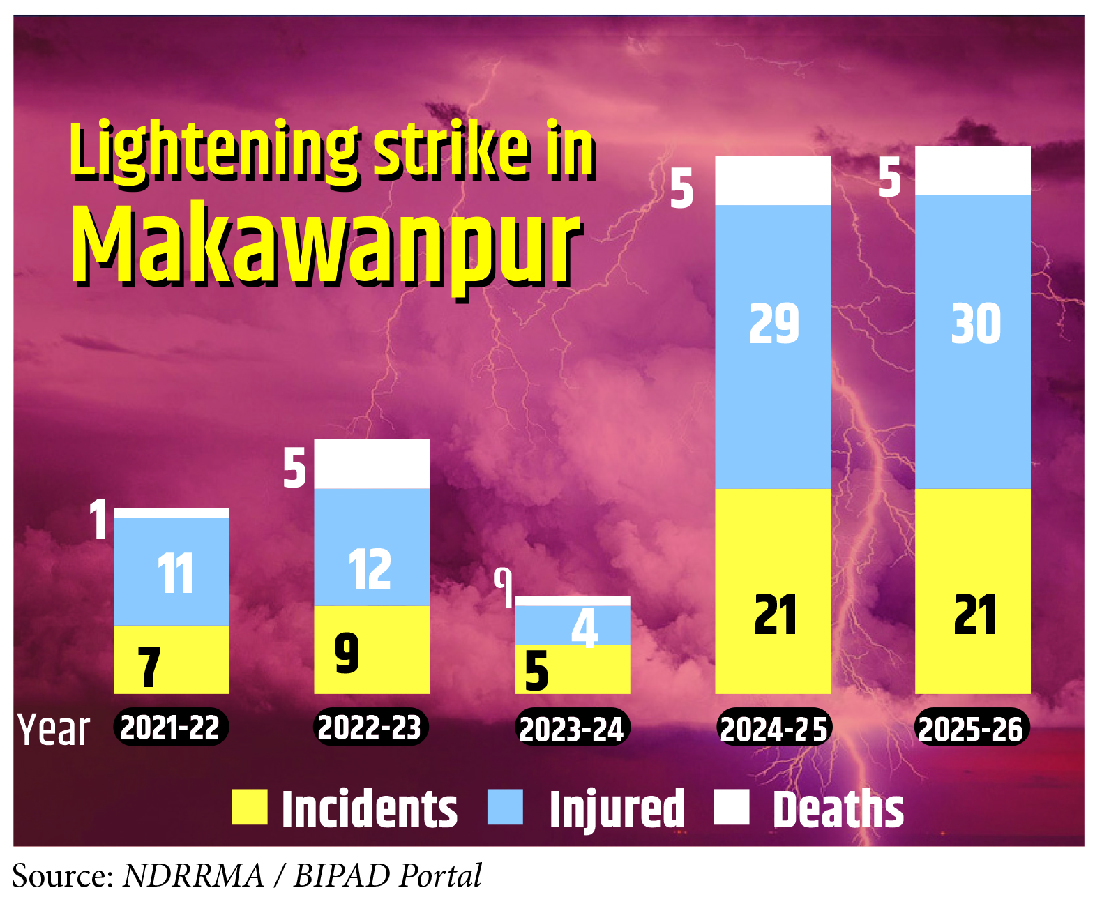
In Raksirang Rural Municipality alone, nine people were killed by lightning between 2021 and 2025.
A total of 66 lightning incidents were recorded in the district over those five years. The trend points to steadily increasing human and material losses. NDRRMA data show that recorded lightning incidents in Makawanpur rose from seven in 2021 to 21 in both 2024 and 2025.
Longer-term figures paint an even more alarming picture.
A 2024 study by the Nepal Geography Students Association at Tribhuvan University identified Makawanpur as one of the country’s most lightning-prone districts. According to the study, lightning strikes killed 83 people and injured 296 others in the district between 2011 and 2024.
The research found that lightning activity is particularly concentrated in the district's southeastern region.
Climate expert Madhukar Upadhyaya attributes the growing risk to a combination of factors, including climate change, the geological characteristics of the Chure hills, increasing atmospheric instability during the pre-monsoon season, and shifts in local weather patterns.
Other organizations working on disaster risk reduction and lightning research in Nepal have reached similar conclusions, warning that storms and lightning activity are becoming more intense.
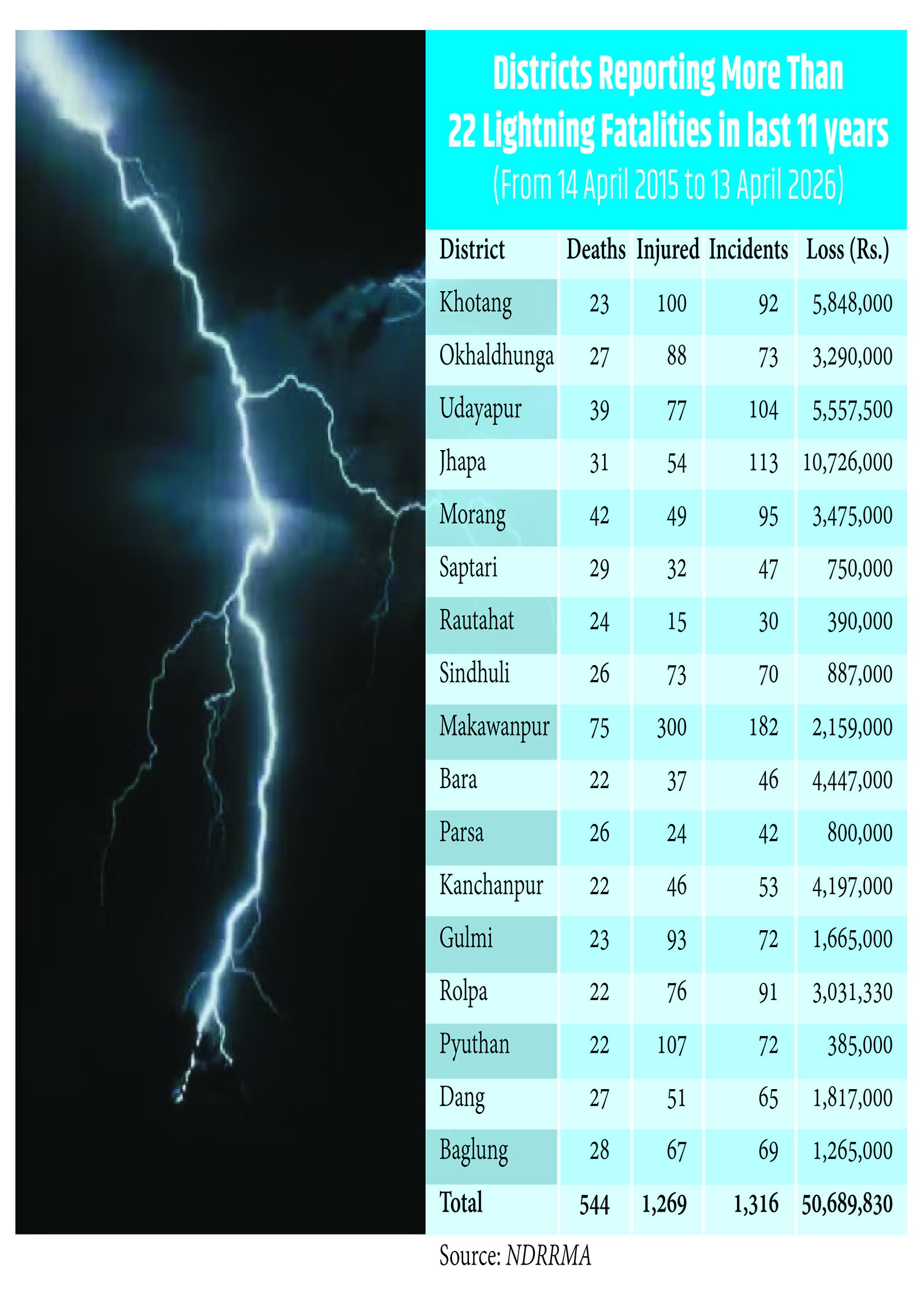
According to NDRRMA data, Makawanpur recorded the highest number of lightning incidents and fatalities in Nepal over the past 11 years. During that period, 75 people lost their lives to lightning in the district alone. Six years ago, five people were killed in a single day.
District Administration Office records show that the victims are overwhelmingly rural residents.
Dr. Shreeram Sharma, a researcher who has studied lightning-related disasters in Nepal, says urban areas are generally less vulnerable because buildings are more resilient. "Lightning can easily enter poorly built rural houses," he explains. "Urban structures are often stronger and better protected against lightning, which reduces the level of damage."
NDRRMA compiles its statistics using reports from local governments and police offices. But many incidents occurring in remote areas never reach official records.
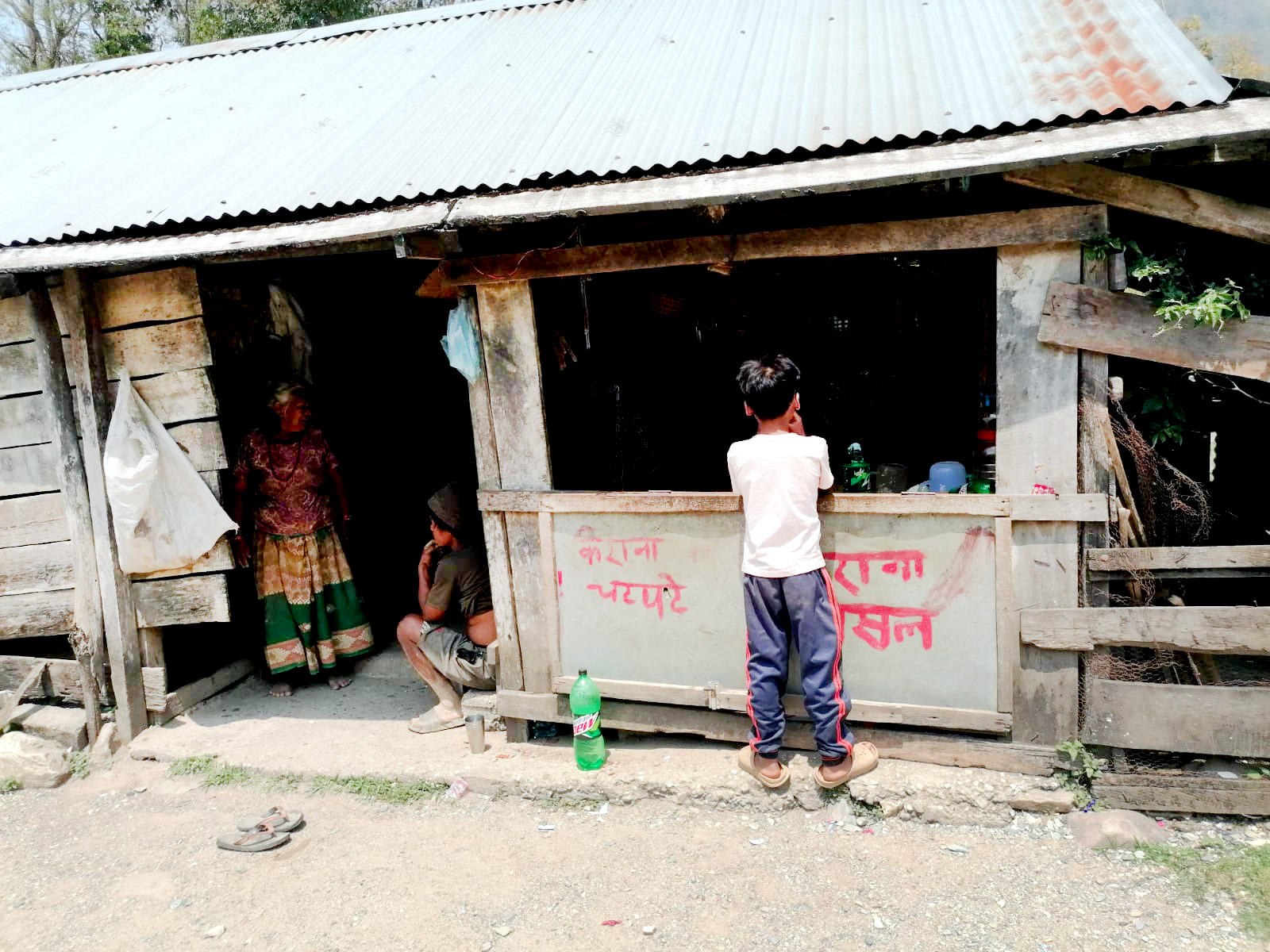
According to Govinda Adhikari, information officer at Raksirang Rural Municipality, obtaining damage reports from some wards remains difficult. "Deaths are eventually reported to ward offices," he says. "But people rarely come forward to report injuries or non-fatal lightning incidents."
Health Consequences and Treatment
Doctors say many people who survive lightning strikes continue to suffer physical and psychological effects for years. Yet in rural communities, these impacts are still rarely treated as serious health concerns.
Dr. Ghanshyam Shah, a general physician at Hetauda Hospital, says patients often report burns, hearing loss, chronic body pain, anxiety and sleep disorders.
"Most people do not come to hospital unless they are seriously injured," he says. "Those who do seek treatment often endure their symptoms for a long time."
The effects of lightning strike extend well beyond the immediate physical trauma. Survivors can experience neurological complications, hearing impairment, psychological distress and difficulties carrying out daily activities for months or even years.
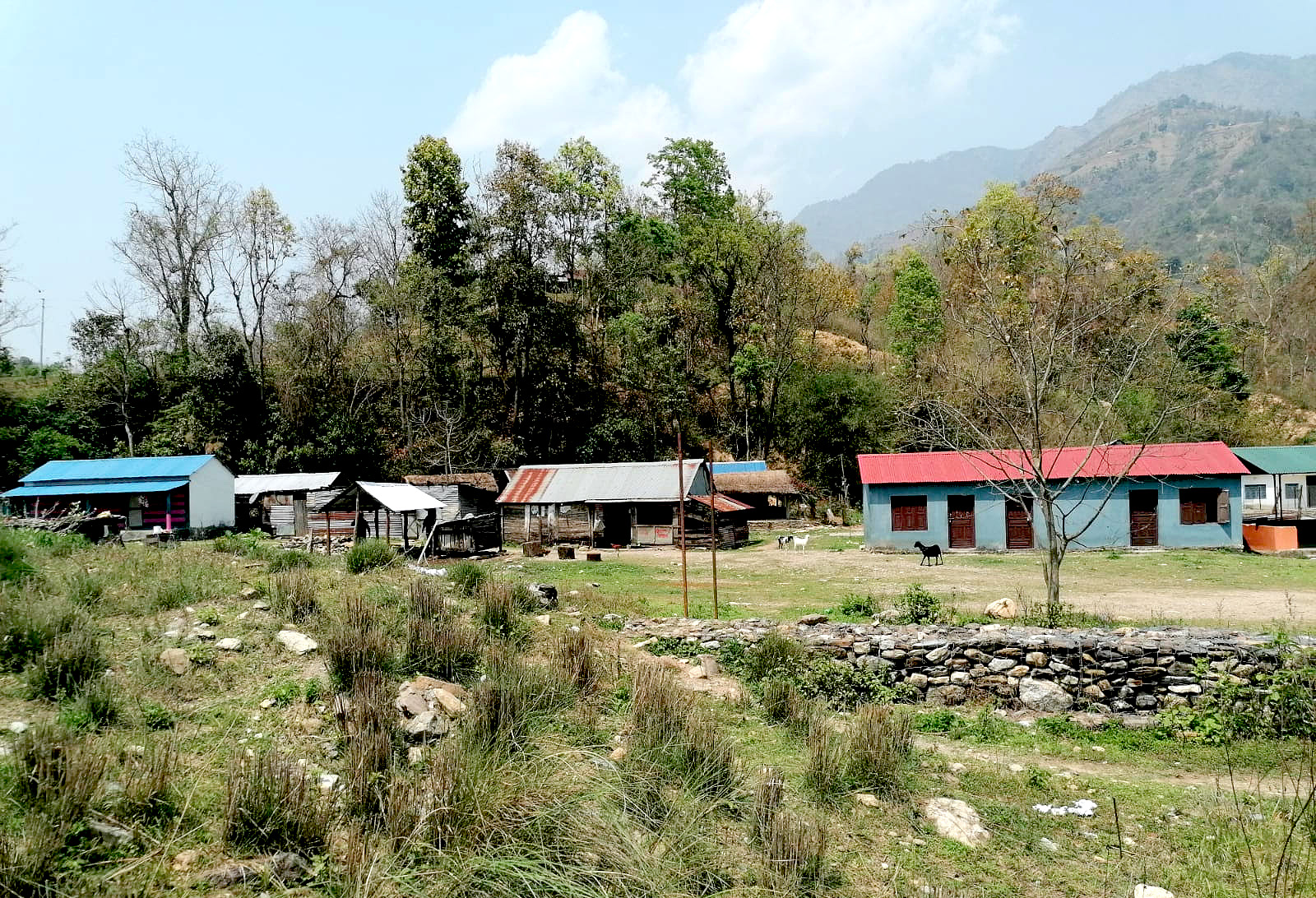
Evidence of these long-term impacts emerged during a health camp conducted last year in wards 6 and 7 of Maisirang Rural Municipality. According to a medical officer at Hetauda Hospital, 19 of the patients examined at the camp required hearing aids.
Yet many rural residents affected by these conditions remain beyond the reach of regular medical care. For many, the cost of even a basic health check is prohibitive.
Nepal's Disaster Risk Reduction and Management Act 2017 require provincial and local governments to maintain disaster management funds. The Disaster Management Fund Operation Guidelines 2022 allows local governments to cover treatment costs for people injured in disasters.
In practice, however, many victims never receive such support.
Raksirang Rural Municipality's records show four lightning-related injuries in the year 2025-2026, although local officials acknowledge the real number is likely much higher.
"Most injured people never report the incident," says Vijay Kumar Kapari, the municipality's health coordinator. "Many assume their injuries are minor and never seek treatment."
Assistant Accounts Officer Chandra Lal Lama says that the Rural Municipality Office provided compensation of NPR 25,000 per person last year to severely injured victims on the recommendation by the ward offices.
In Makawanpurgadhi Rural Municipality, 10 people formally reported lightning-related injuries in the year 2025-2026. Information Officer Dhrub Prasad Lamichhane says each victim received NPR 15,000 to cover treatment expenses.
A National Disaster
Lightning is not just a problem in Makawanpur. Its impact has been growing across Nepal in recent years.
NDRRMA data show that in the year 2025-2026 alone, 393 lightning incidents were recorded nationally. The strikes killed 48 people and injured 292 others.
Long-term data paint an even more troubling picture. Between the years 2013-2014 and 2025-2026, Nepal recorded 3,386 lightning incidents, killing 1,073 people and injuring 3,408. In that same period, 4,294 families were directly affected.
The damage extends beyond human casualties. NDRRMA records show that lightning damaged 390 houses with 104 completely destroyed over the past 12 years. The total economic loss is estimated at NPR 118.2 million.
Another worrying trend is the steady rise in the number of incidents. In the year 2020-2021, Nepal recorded 278 lightning strikes. Four years later, in 2024-2025, that figure had risen to 436.
Nepal ranks highest among countries in South Asia for lightning risks. Yet, despite the scale of the risk, investment in early warning systems, public awareness, protective infrastructure and research remains limited.
Why Lightning Strikes Are Increasing
Research consistently places Nepal among the world's most lightning-vulnerable countries. Experts attribute this to the country's terrain, its monsoon system, sharp temperature differential between the mountains and plains, and rapidly shifting weather patterns, all of which create favorable conditions for lightning.
According to The Report of Lightning in Himalayan Locale – a study published in The Scientific World Journal by Dr. Pitri Bhakta Adhikari, an associate professor at Tri-Chandra Campus – the highest number of lightning incidents recorded between 2011 and 2021 occurred in 2019, when 383 cases were reported.
In recent years, both the frequency of lightning strikes and the resulting human and economic toll have increased. Experts attribute this primarily to climate change, rising temperatures and growing atmospheric instability as key drivers.
A recent report by the World Meteorological Organization (WMO) describes the period from 2015 to 2025 as the hottest decade in recorded human history. According to the report, 2024, 2023 and 2025 rank as the first, second and third warmest years on record.
The effects of rising global temperatures are increasingly evident in Nepal. A satellite-based study conducted by NASA in South Asia in 2022 found that lightning density has been increasing steadily across the region over the past two decades.
The study links the trend to rising surface temperatures, changes in sea-surface temperatures and greater atmospheric instability, all of which increase the likelihood of lightning activity.
In Nepal, lightning activity is particularly intense during the pre-monsoon season, from March to May. Experts say increasing heat, humidity and unstable weather systems are creating more thunderstorm clouds and elevating the risk of lightning strikes.
An analysis by the Department of Hydrology and Meteorology covering the period from 1971 to 2014 found that Nepal's annual maximum temperature increased by approximately 0.056 degrees Celsius per year. More recent reports from 2023 to 2025 have also recorded above-average temperatures across the country.
Prevention Measures
Awareness around reducing lightning-related losses has increased in Nepal, but practical application remains limited.
One of the most effective technologies for protection against lightning is the lightning arrester, a device that channels electrical discharge into the ground, protecting the structure it serves. Its use is standard practice worldwide in buildings, schools, telecommunications towers, electrical substations and other critical infrastructure.
In open areas prone to frequent strikes, lightning arrester poles can also be installed to reduce exposure.
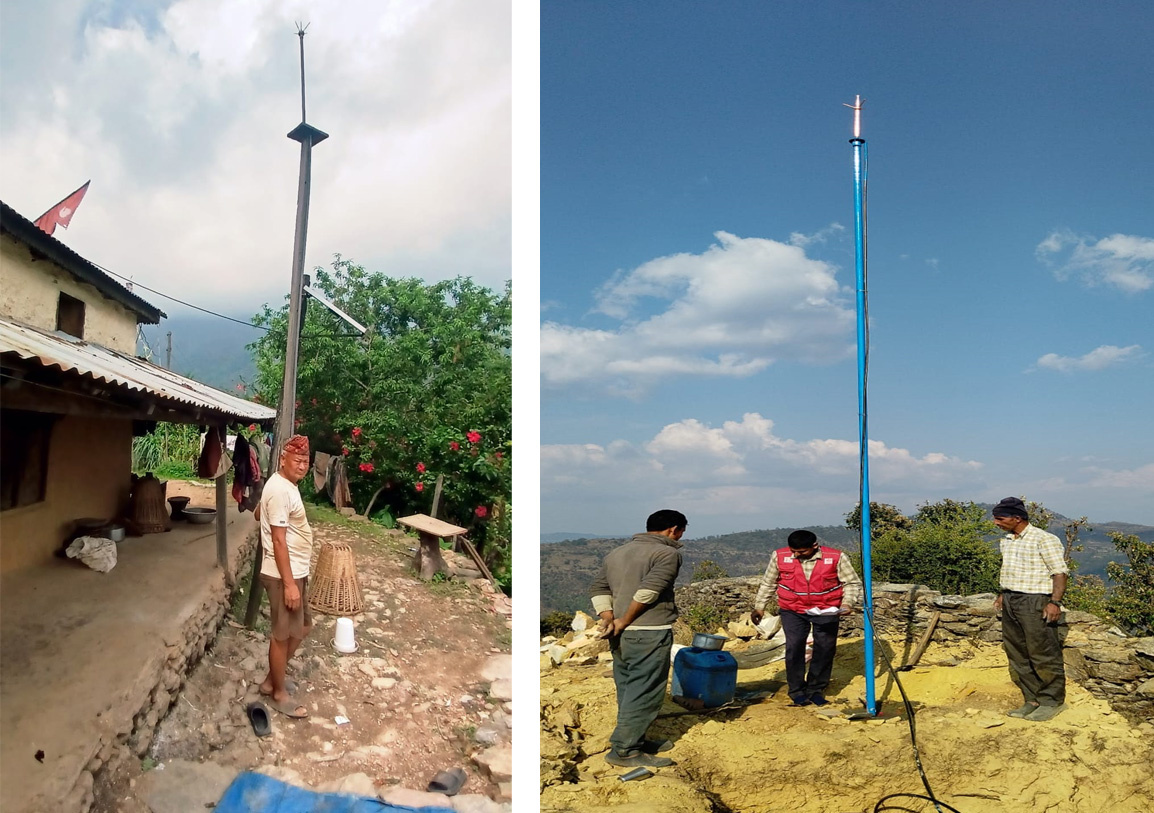
In Birendranagar-16 of Surkhet, lightning arrester poles have been installed at nearly half a dozen locations. The technology was first introduced there in 2023 with support from the Nepal Red Cross Society. According to Ward Chair Danda Bahadur Bishwakarma, the ward later installed additional lightning arresters in five other settlements using its own budget.
"We have seen a reduction in lightning-related damage since then," he says.
Pramod Sharma, an engineer at the Department of Urban Development and Building Construction, says even ordinary homes can be equipped with earthing and lightning arresters at relatively low cost.
"A basic protection system can be installed for as little as NPR 8,000 to 10,000," he says.
He adds that the design and type of lightning arrester can be adapted according to the terrain, building structure and local conditions.
Responding to pressure from residents, Raksirang Rural Municipality introduced a subsidy program in 2024 covering half the installation cost of household lightning arresters. The system costs around NPR 14,000, requiring homeowners to contribute NPR 7,000.
In a community where a large share of the population lives below the poverty line, the program has seen little uptake. According to the 2021 national census, about 17,000 of Raksirang's 25,996 residents live below the poverty line. As a result, only 93 households across the municipality had installed lightning arresters by June 2026.
Many residents have been calling for the Rural Municipality to provide the system free of charge because they cannot afford even the subsidized cost.
However, Raksirang Rural Municipality Chair Raj Kumar Malla says the local government cannot afford to distribute lightning protection systems free of charge, given its limited budget and the wide range of competing priorities.
Early warning systems are widely regarded as one of the most effective ways to reduce lightning-related casualties.
In 2025, a lightning early warning system was installed at Shree Praja Jagriti Secondary School in Chainpur-5, of Raksirang Rural Municipality.
Supported financially by People in Need and implemented with technical assistance from the South Asian Lightning Network, the project is one of only a handful of such initiatives in Nepal's rural areas.
The system consists of one main sensor and eight sirens.
According to lightening expert Dr. Shree Ram Sharma, the sensor detects when electrical charges within storm clouds reach dangerous levels and automatically triggers the sirens. But technology alone has not solved the problem. Hari Praja, spokesperson for Raksirang Rural Municipality, says many residents still do not know how to respond when the sirens go off.
"People understand that the siren is a warning," he says. "But many remain unsure where to go and what they should do to stay safe."
One challenge is that the sensor collects data from a single location, while the warning sirens sound across all eight wards.
Experts say casualties could be reduced significantly if people complete outdoor work in the morning and remain in lightning-protected buildings or other safe structures after around 2 p.m., when lightning activity typically intensifies.
"During the monsoon, people should try to finish farm work in the morning whenever possible," says Dr. Sharma. "The risk can be reduced by staying in safe locations later in the day and scheduling other activities accordingly."
Experts also recommend avoiding shelter under trees, staying away from tall structures, avoiding direct contact with walls, windows and doors during storms, and switching off electrical appliances when lightning appears imminent.
Policy Commitments, Weak Implementation
Nepal's Hydrology and Meteorology Policy 2024 commit to expanding modern early warning systems.
The country currently operates more than 600 weather monitoring stations, over 200 river gauging stations and three weather radars. Various early warning systems have also been developed for floods, heavy rainfall, storms, landslides, avalanches, wildfires and other disasters.
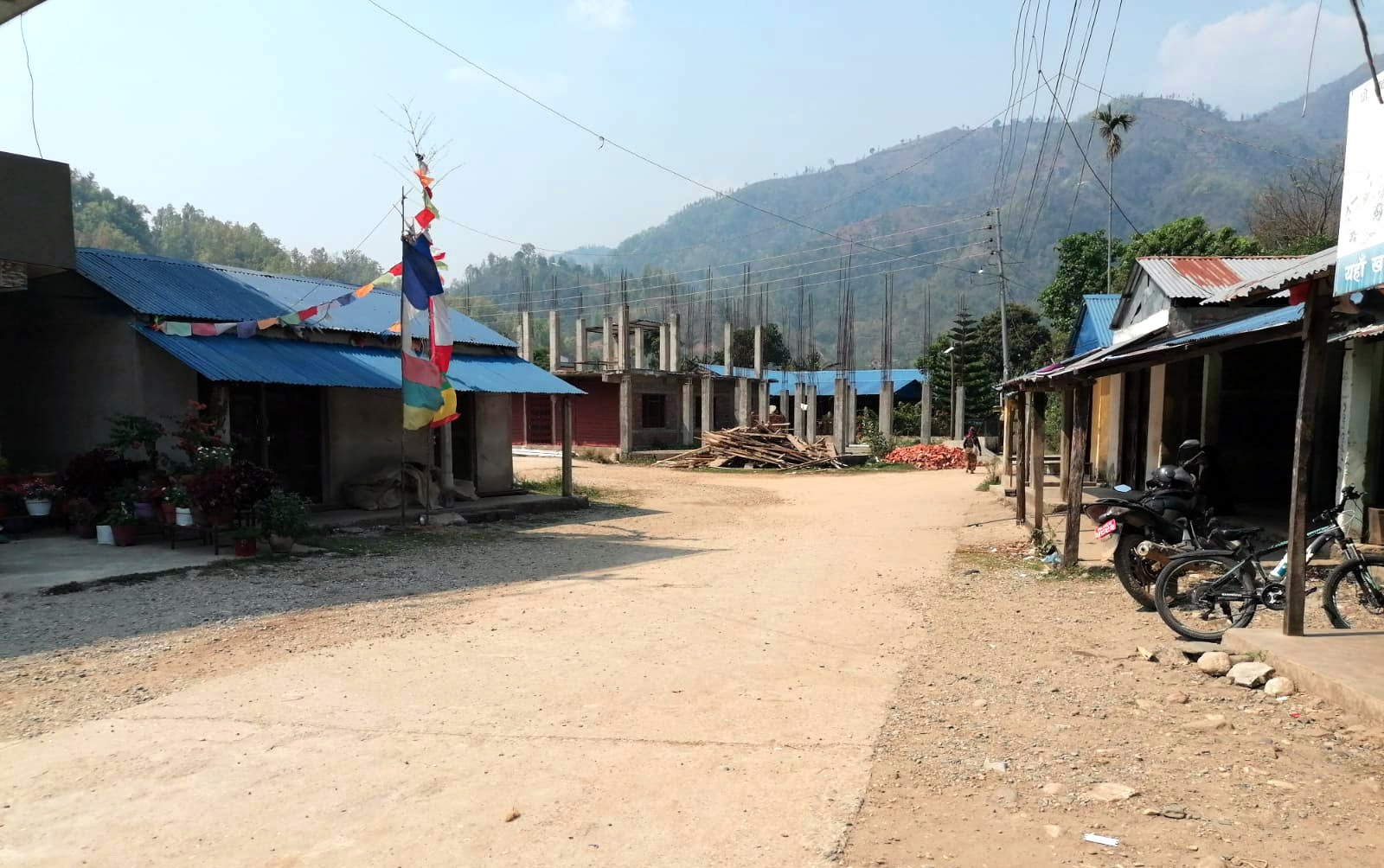
Lightning, however, remains an exception.
The Department of Hydrology and Meteorology does not currently operate an effective nationwide lightning early warning system.
About seven years ago, lightning detection and warning devices were installed in Kathmandu, Pokhara, Biratnagar, Tumlingtar, Simara, Bhairahawa, Nepalgunj, Surkhet and Dhangadhi. The systems were expected to provide up to 15 minutes of advance warnings. However, they stopped functioning not long after installation.
According to a meteorologist at the department, the systems failed due to a shortage of trained personnel and difficulties in maintenance.
Department of Hydrology and Meteorology spokesperson Bibhuti Pokharel acknowledges that much work remains to be done in the field of lightning forecasting and early warning. "It would have made a significant difference had we been able to operate the equipment we already have effectively," she says. "Lightning early warning needs to be treated as a priority."
Floods, landslides and earthquakes receive far greater public attention in Nepal than lightning. Yet the scale of annual losses suggests that lightning can no longer be overlooked.
"Lightning has become something of a silent killer," says Dr. Sharma. "It strikes without warning, takes lives and the incident is over. In many cases, it does not even attract the attention of the state."
He reiterates that meaningful reductions in casualties and damage will require simultaneous investment in early warning systems, lightning-resistant infrastructure, public awareness and rigorous data management.
Otherwise, children like Anika in Maisirang and hundreds of families across Nepal will continue to pay the price of lightning with their lives.
More Investigative Stories
Who Does The Annapurna Belong To?
In fiscal year 2082/83 BS, the Annapurna Conservation Area Project (ACAP) received 508,000 visitors and collected more than NPR 1.77...
Politicized Budget Distribution in Madhesh is Contrary to the Spirit of Federalism
From small projects that local governments can implement themselves to the selection of projects based on political connections, the pattern...
Comment Here