Investigative Stories
Childhood in the Dock
How family breakdown, lack of parental care, and psychological distress are pushing children toward crime.
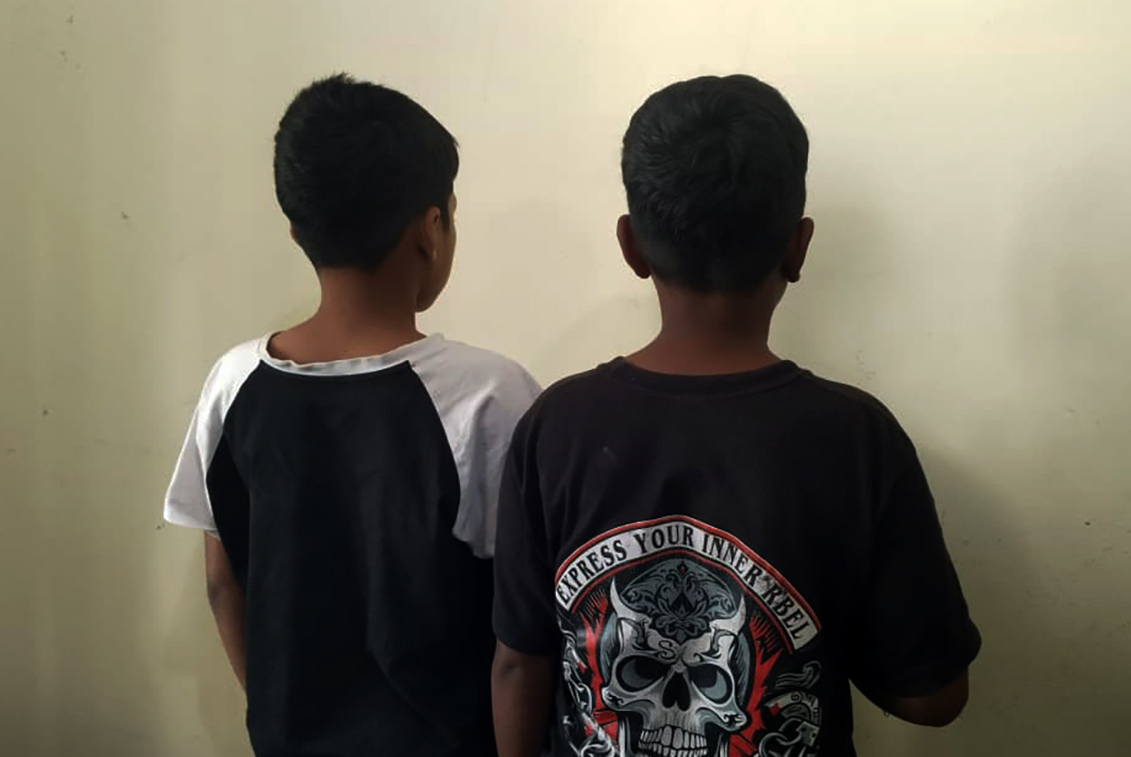
On the night of October 10, 2024, two teenage boys walked into the police station in Sukhad, Kailali, carrying a severed human head. What began as an argument during a drinking session had ended in murder. Among those who turned up at the police office after killing their companion was Dal Bahadur BK, a sixteen-year-old from Jadahi in Kailali.
Now held in a juvenile correction facility, Dal Bahadur stands accused of murder.
His childhood was not an easy one. By the age of ten, he was traveling to India for work. In India, he lived in a shared rented room with his maternal uncle and aunt. Even at that young age, he was exposed to constant fighting, violence, and a suicide attempt.
“My uncle and aunt fought all the time,” he recalls. “I saw my aunt put a noose around her neck with my own eyes.”
The violence he witnessed at such a young age left a deep mark on his mind. Later, the violent videos on his mobile phone drove it deeper.
"Those videos scared me," he says. "But I kept watching anyway."
By his early teens, he says he was struggling with extreme anger, anxiety and emotional instability – and by 14, he had developed high blood pressure. He believes his mental state and social circumstances are what ended him up in the juvenile correction facility.
The story of 17-year-old Sushant Gurung from Nepalgunj-12 is no different. He was taken into custody by Banke Police last Falgun on charges of theft and now finds himself questioning his own life. "My father died, and my mother left too," he says. "No one ever taught me what was right and what was wrong."
Many children like Sushant – who lost their parents early, grew up without protection, and endured difficult childhoods – have drifted into crimes.
Fifteen-year-old Shubham Barma from Nepalgunj-19 represents another chapter in the same story. Having dropped out of school in Grade 7, he is currently in custody on charges of attempted rape. He struggles to speak clearly, is visibly withdrawn, and his childhood, too, appears to have been marked by instability, poverty, and a lack of guidance.
The Numbers Tell a Troubling Story
Data from the Banke District Court shows a steady rise in juvenile delinquency in recent years. Between July 24, 2023, and March 1, 2026, criminal charges were registered against 181 children in the district. While theft accounts for the largest share of these offences, there is growing number of cases involving attempted murder, drug-related crimes, public disorder, and rape.
These records indicate that cases were filed against 39 children in the fiscal year 2023–2024, rising to 81 in 2024–2025, with another 61 cases filed by March 1 of the 2025–2026 fiscal year.
While theft accounts for the largest share of these offences, there is growing number of cases involving attempted murder, drug-related crimes, public disorder, and rape. The involvement of children in severe crimes like murder, kidnapping, illegal possession of weapons, and sexual abuse points to a broader, systemic social crisis.
Growing Pressure on Correctional Facilities
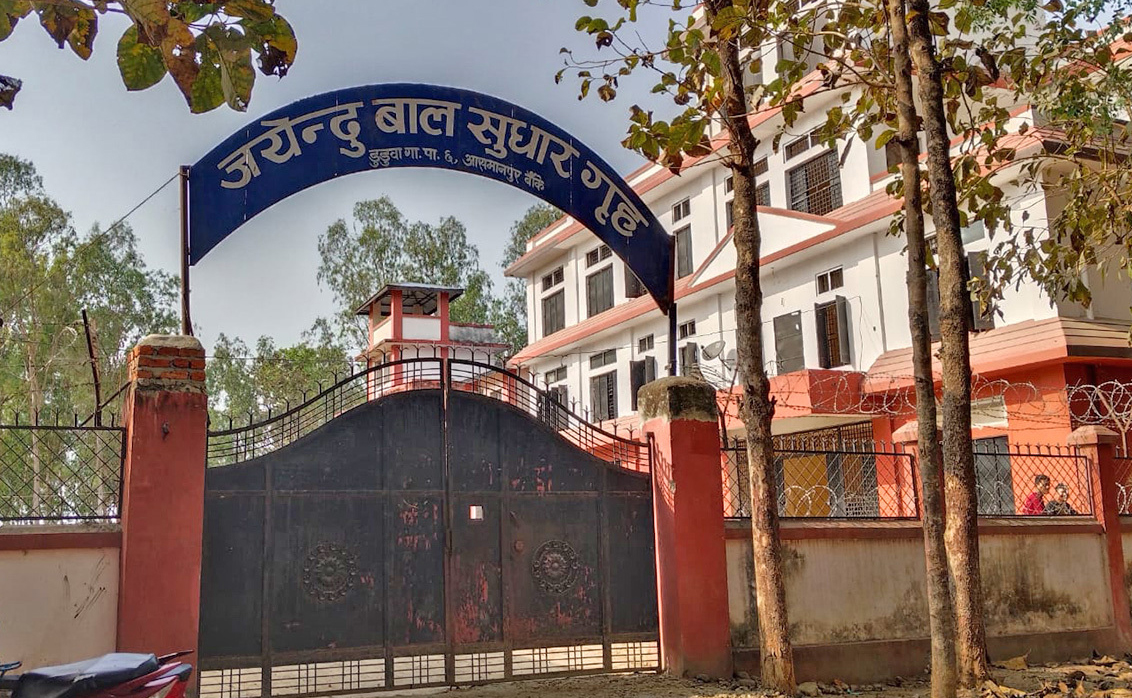
Since its establishment on August 18, 2018, Jayendu Juvenile Correctional Facility in Banke has housed 1,037 children convicted by courts in various cases.
Over the past eight years, these children have been sent to the facility under court orders.
Recent data show a steady increase in admissions with the trend accelerating in recent years. A record 202 children entered the facility in fiscal year 2023-2024, followed by 161 in 2024-2025. By April 27, 2026, another 125 children had been admitted, bringing the total number of children living there in connection with various legal cases to 199.
Earlier records show that 33 children had been admitted to the correctional facility in 2018-2019, 65 the following year, 123 in 2020-2021, 149 in 2021-2022 and 179 in 2022-2023.
Among the children currently housed at the facility, the largest group faces rape-related charges, accounting for 80 cases. Another 32 are linked to murder cases, while 14 face drug-related charges and 13 are accused in gang rape cases.
Of the 1,037 minors admitted to the reform home over the past eight years, 455 are implicated in rape cases, 91 in homicide cases, and 84 in drug-related offences.
Family Conflict a Primary Driver
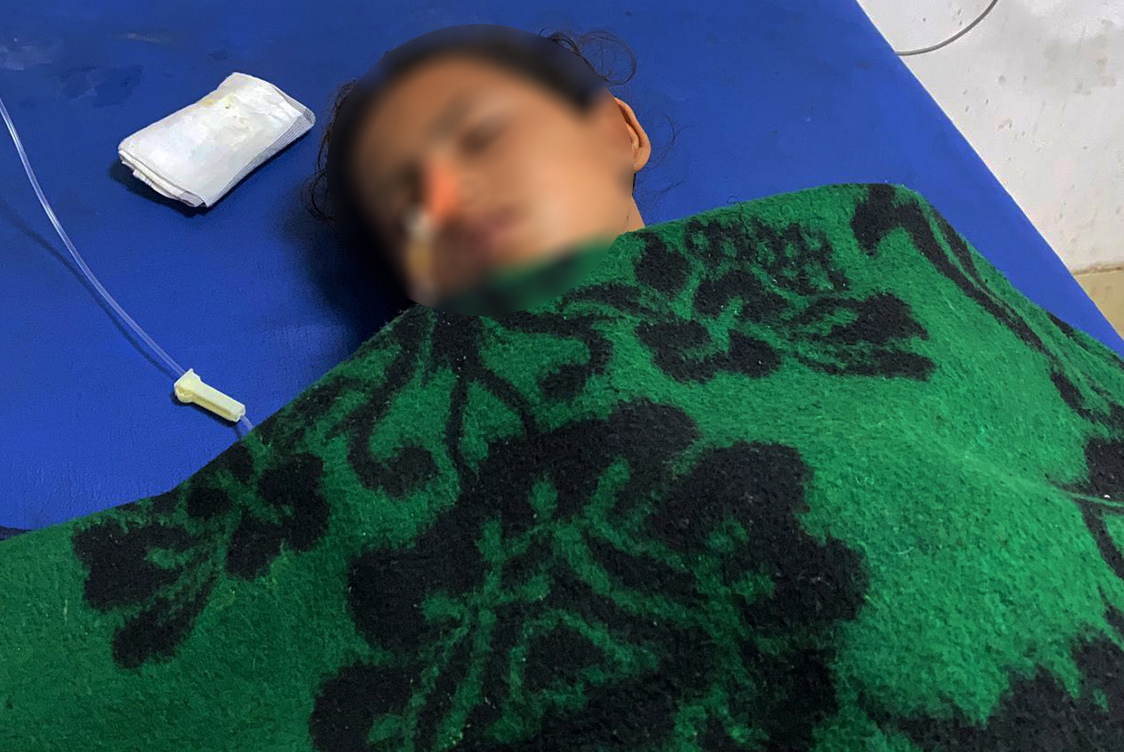
Thirteen-year-old Pushpa was admitted to Bheri Hospital in Nepalgunj in an unconscious state. She had ingested a pesticide called nitrobenzene. The reason, she says, was the constant domestic violence at home. "My parents fight all the time," she says. "I felt as though somehow it was my fault. So, I took it."
According to pediatrician Dr. Dharmagat Bhattarai, family conflict can have serious consequences for children's mental, social and emotional development. "Instability at home is the leading cause of fear, insecurity and behavioral problems among children," he says.
Data from the Women, Children and Senior Citizens Service Center in Nepalgunj also sheds light on the impact of family conflict on children. The center recorded 2,531 complaints of domestic violence over the past three years. During the same period, 399 children were reported missing and 700 were rescued from areas along Indo-Nepal border.
Court records also show that 2,700 divorce cases were registered in Banke District Court between August 2021 and April 2025.
Advocate Basanta Gautam says parental separation can have a direct impact on children's mental wellbeing, education and social development. "When children do not receive the care, protection and guidance they need, feelings of insecurity and isolation tend to grow," he says. Sharma, who heads the Jayendu Juvenile Correctional Facility, says children from unstable families or without adequate parental care are far more likely to end up in legal disputes. Even when children have families, Sharma notes, inadequate parental attention can lead them into bad company and then into trouble with the law.
"The family is there," he says, "but when parents fail to pay attention to what their children are doing, they can fall into bad company and eventually drift toward crime." Sharma notes that in most cases involving rape, murder and drugs, children act in groups. "It is rare to see a child commit murder alone," he says. "After consuming alcohol or drugs, children often become impulsive and engage in violence together."
According to Child Workers in Nepal Concerned Center (CWIN) Nepal in Banke, 1,568 children were identified as being at risk during the five‑year period ending in January. The main factors included family disputes, parental divorce and remarriage, lack of care, and involvements in unregulated activities driven by the lure of money. “Children facing problems at home are the ones most likely to end up at risk,” says Siddharaj Paneru, head of CWIN in Nepalgunj.
Nil Sagar Sewa Ashram, a shelter in Nepalgunj that provides protection and shelter for children living on the streets, is currently home to 74 children.
According to caretaker Sarita Khanal, about half of them ended up on the streets because of family conflict, extreme poverty, the death of parents, or related hardships.
Broken Childhoods
Children growing up amid family breakdown and social problems, compounded by extreme poverty, appear to be experiencing increasingly difficult childhoods.
As part of this investigation, CIJ conducted a survey in April-May 2026 among 50 children living in three settlements: one in Khajura Rural Municipality-6, another in Baijanath Rural Municipality-3, and a third within Nepalgunj Sub-metropolitan City.
These are communities where many parents have migrated to India for work, leaving children without adequate parental care. Some children had also lost a parent or felt insecure because one of their parents had remarried.
The survey found that 29 of the 50 children were living with relatives. Seven lived only with their fathers, while three lived only with their mothers. Only 11 children were living with both parents.
Nearly 70 percent of respondents said stress at home affected their ability to eat and sleep. Around half described their parents' relationship as either strained or only moderately stable.
About 40 percent said they had no one with whom they could openly share their feelings. More than 80 percent reported feeling frightened, anxious or sad because of conflict within their families. Although 90 percent of the children were enrolled in school, many reported problems attending regularly.
The survey suggests that most children in these communities are growing up in stressful family environments. The absence of parental care and affection, financial hardship and the lack of someone to confide in appear to be taking a toll on their mental wellbeing. The findings point to a clear need for psychosocial support and educational assistance.
The survey was conducted with support from local elected representatives while ensuring the privacy and safety of participating children.
Protecting Children
Studies and experts alike conclude that family breakdown, parental absence, psychological distress, negative peer influence and social neglect can gradually expose children to risks.
According to Kishor Sharma, head of the Jayendu Juvenile Correctional Facility, the most effective way to prevent children from becoming involved in legal disputes is through protection and supervision within the family. He says that in many cases, children become involved in crime under the influence of peers, alcohol or drugs, combined with weak parental oversight.
Child psychiatrist Gunjan Dhwaju says children's behavior is shaped by what they see, experience and learn. "The question is not simply why children committed a crime," he says. "We need to understand why and how they reached that point." He argues that intervention should not begin only after risky behavior appears. Families, schools and communities need to provide support before problems escalate.
A 2018 pilot National Mental Health Survey conducted by the Nepal Health Research Council found that 11.2 percent of adolescents aged 13 to 17 had at least one form of mental health problem, while 8.7 percent showed suicide risks. The study recommended expanding access to mental health services, encouraging treatment-seeking behavior and strengthening psychosocial support at both community and school levels.
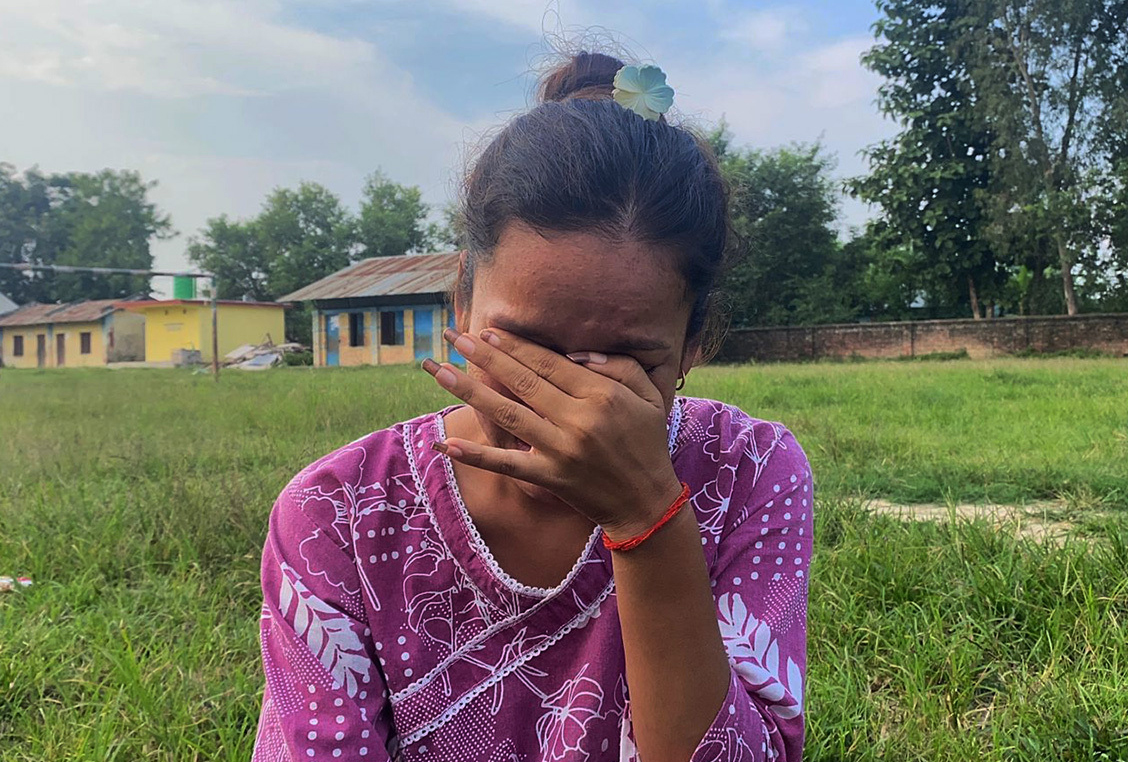
Experts say schools are often the first place where children's problems can be identified. Kiran Acharya, an educator in Nepalgunj with long experience working on children's issues, says teachers should not dismiss absenteeism, declining academic performance or aggressive behavior as mere disciplinary problems.
"They need to ask why children are missing school, why they are repeatedly absent or why they are behaving aggressively," she says. "Local governments should work with schools to provide psychosocial counselling services, organize regular health camps and train teachers on children's mental health."
Krishna Shrestha, a civil society leader in Nepalgunj, says special attention should be given to children whose parents have migrated elsewhere for work. He suggests that local governments could support by establishing community-based children's clubs or after-school programs for children growing up without adequate parental supervision.
According to Sarita Khanal, many children living at Nil Sagar Sewa Ashram prefer to isolate themselves and often struggle to articulate their own problems. "When they receive counselling, protection and affection, we see positive changes in their behavior," she says.
Bhola Mahat, coordinator of Informal Sector Service Centre (INSEC) Lumbini Province Office in Nepalgunj, says local governments need to establish community-based support systems for children at risk. "If ward-level child counselling centers could be established, children would have a safe place to speak openly about their problems and receive timely support," he says. He also believes awareness programs for parents on child psychology, positive parenting and child-friendly family environments would help reduce such problems.
Women and children’s rights activist Kamala Pant says protecting children's rights requires parents, communities, government agencies and civil society organizations alike to recognize their shared responsibility.
The stories of many children who end up in juvenile correctional facilities suggest that their journey toward crime often begins much earlier, with conflict at home, parental absence, neglect and psychological distress. The solution, experts argue, should therefore also come form stronger families, more supportive schools and communities that recognize children at risk before they reach courts and correctional facilities.
Local governments’ efforts still fall short.
Local governments have introduced various programs to promote child protection and child-friendly local governance, implementation continues to face significant challenges.
According to Laxmi Gyawali, Women Development Inspector at the Women, Children and Social Welfare Unit of Baijanath Rural Municipality, the lack of adequate training and institutional capacity has slowed progress toward becoming a child-friendly municipality.
"There is budget to declare a child-friendly municipality, but there is not enough training on how to actually work according to the indicators," she said. "The directive is only to make the declaration by 2030, but the groundwork for doing so has not been laid."
Jay Bageshwari Child Protection Centre in Rapti Sonari Rural Municipality‑5 currently shelters 23 children deprived of parental care. According to founder and chairperson Tara Oli, the situation is even more serious at the community level. “Many children who have lost their parents, been abandoned, or are not receiving proper care within their families are staying with relatives but still lack adequate protection,” she says. Oli adds that local governments must play a far more active role in child protection.
Sushila Neupane, Women Development Inspector in Khajura Rural Municipality, says many children in the Simalghari area of Ward 6 continue to live without adequate parental care. She points out that many fathers who leave for foreign employment never return, while some mothers remarry, leaving children without parental protection as families break apart.
Some local governments, however, have begun expanding child protection programs and infrastructure. Khajura Rural Municipality has constructed a residential children's home with capacity to accommodate 25 children. Chief Administrative Officer Dil Bahadur Poudel says that while the need is far greater, the facility represents a positive beginning for child protection efforts.
Pabitra Puri, Women Development Officer at Nepalgunj Sub-metropolitan City, says the municipality has been implementing programs to promote child-friendly local governance based on its Child Protection Policy, the Children Act and other local laws. These include establishing child clubs, operating a child welfare fund and running campaigns against child marriage.
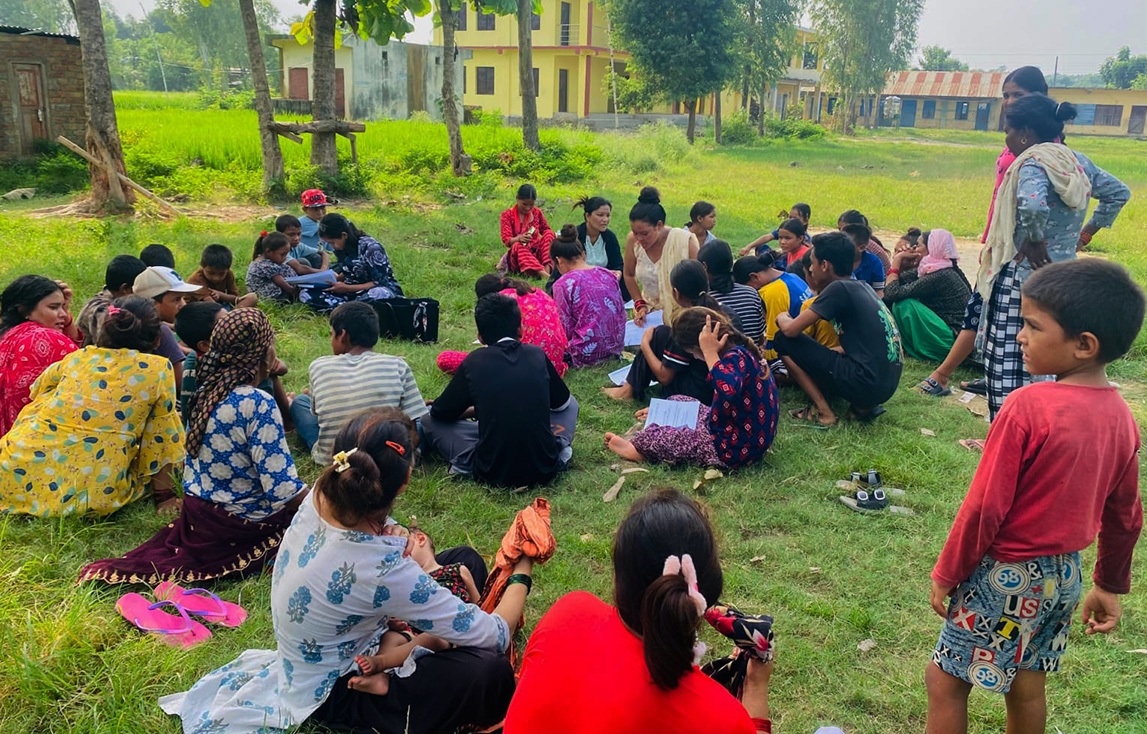
She reports that child clubs have now been formed in all 23 wards, while programs for the rescue and rehabilitation of children at risk are also underway.
Kohalpur Municipality has similarly introduced child clubs, child welfare funds and child marriage prevention programs. According to Child Welfare Officer Rekha Acharya, child rights committees have now been established in all 15 wards of the municipality.
Child rights advocates, however, argue that creating programs and institutional structures alone is not enough. Such efforts will only produce meaningful results if children at risk are identified early and provided with regular monitoring, psychosocial support and effective community-based rehabilitation.
Note: All children's names have been changed to protect their privacy.
More Investigative Stories

Who Does The Annapurna Belong To?
In fiscal year 2082/83 BS, the Annapurna Conservation Area Project (ACAP) received 508,000 visitors and collected more than NPR 1.77...
Politicized Budget Distribution in Madhesh is Contrary to the Spirit of Federalism
From small projects that local governments can implement themselves to the selection of projects based on political connections, the pattern...
Comment Here