Investigative Stories
How Reservoirs Have Transformed Ghorahi
Artificial reservoirs built across villages have changed rural life in Ghorahi Sub-Metropolitan City. With improved irrigation, tourism, and employment, dry villages have turned lush and green, and socio-economic transformation has accelerated.

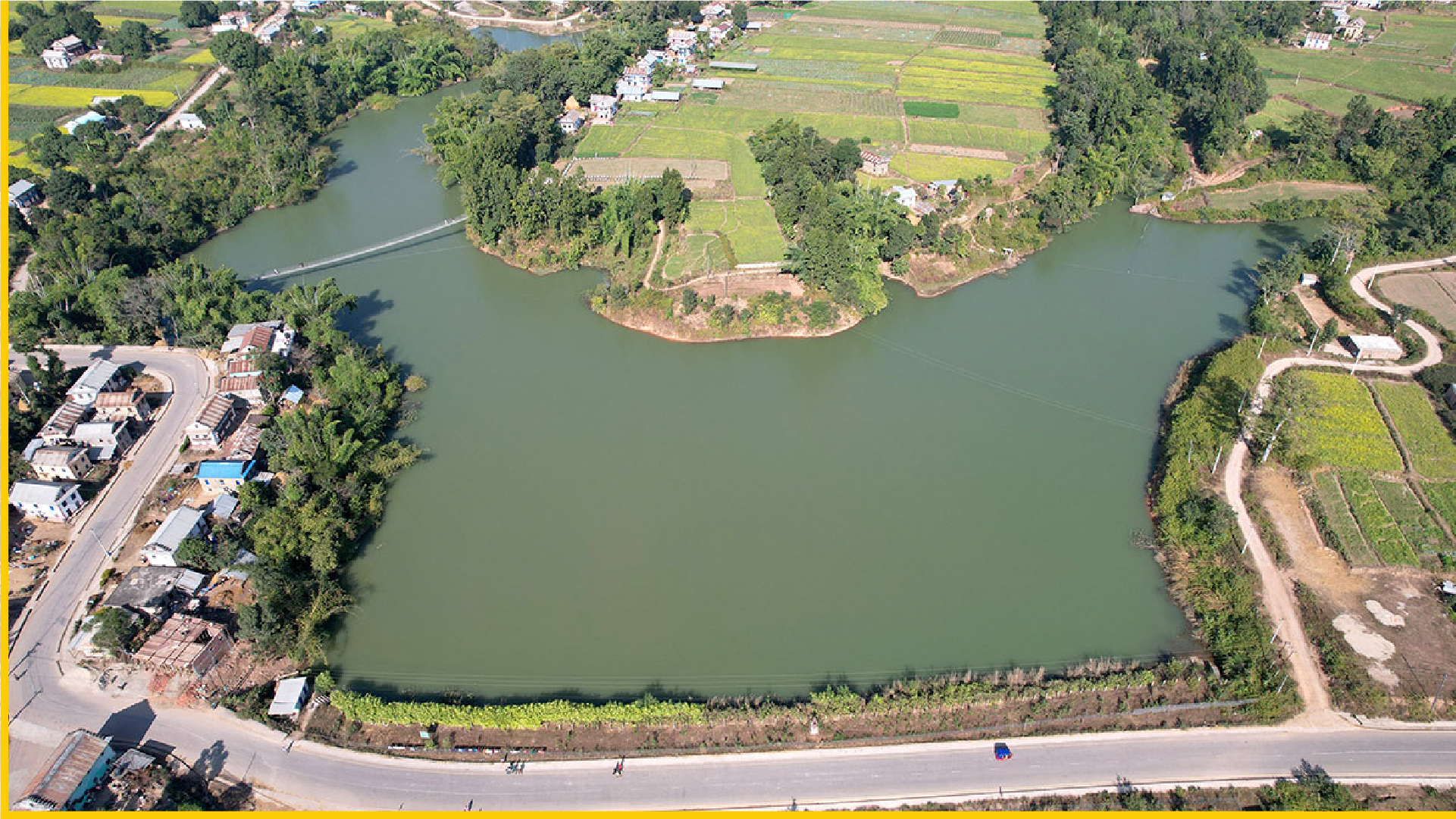
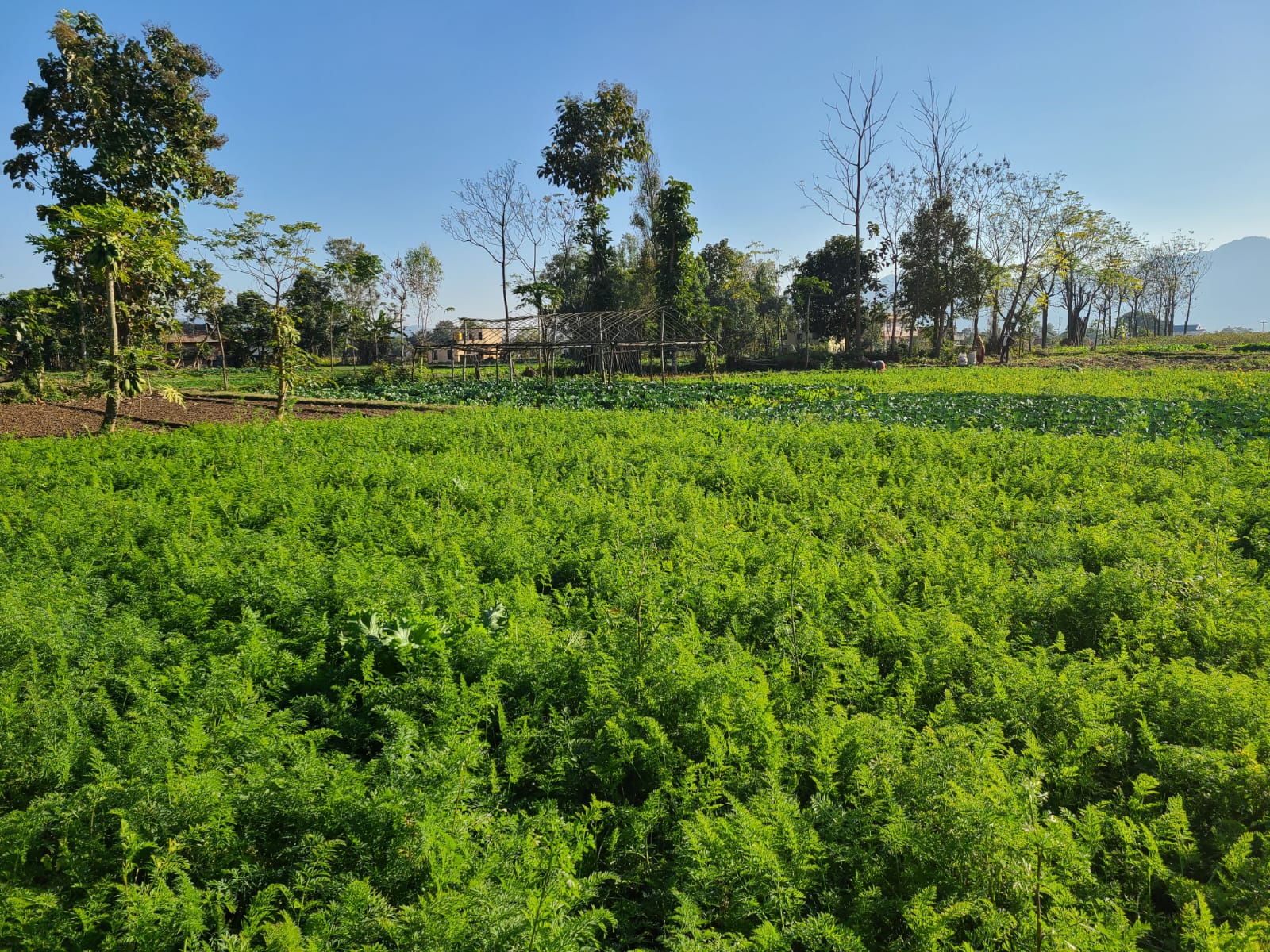
After working as a laborer in India for nearly 15 years and still struggling to make ends meet, Shiva Mahara returned home. At that time, a large lake had been built near his house in Ghorahi Sub-Metropolitan City-1, Bahuntari. He immediately started venturing into the cash crop production.
Starting commercial farming on 15 kattha (1 kattha is approx. 3645 sq. feet) of leased land wasn’t easy at first. But Shiva didn’t give up. Over time, he gained experience, understood the market, and steadily improved the quality of his produce. Today, Shiva is recognized as a successful farmer. For him, the reservoir built by the municipality has become a source of hope and confidence.
“This season alone, I earned an equivalent of 800,000 rupees just from cabbage,” he says. “If vegetables are properly managed and irrigated, 15 kattha of land can generate up to NPR 1.8 million annually”, Shiva added. Mahara grows cabbage, cauliflower, off-season cucumber, and chili peppers. The annual lease for the 15 kattha plot costs him only 36,000 rupees.
Earlier, in Bahuntari, farmers had to rely on rainwater with only one crop to grow in a year which has changed after the construction of Chepe Daha reservoir, with farmers cultivating up to three crops in a year. Chepe Daha, which was built by the Ghorahi Sub-Metropolis has not only transformed Bahuntari but also brought change to the lives of farmers in Surkedangi, Buka, Raitari, and Pantatol.
The reservoir has also boosted local tourism. Domestic and foreign visitors coming to see Chepe Daha have helped hotels, grocery shops, and small businesses thrive.
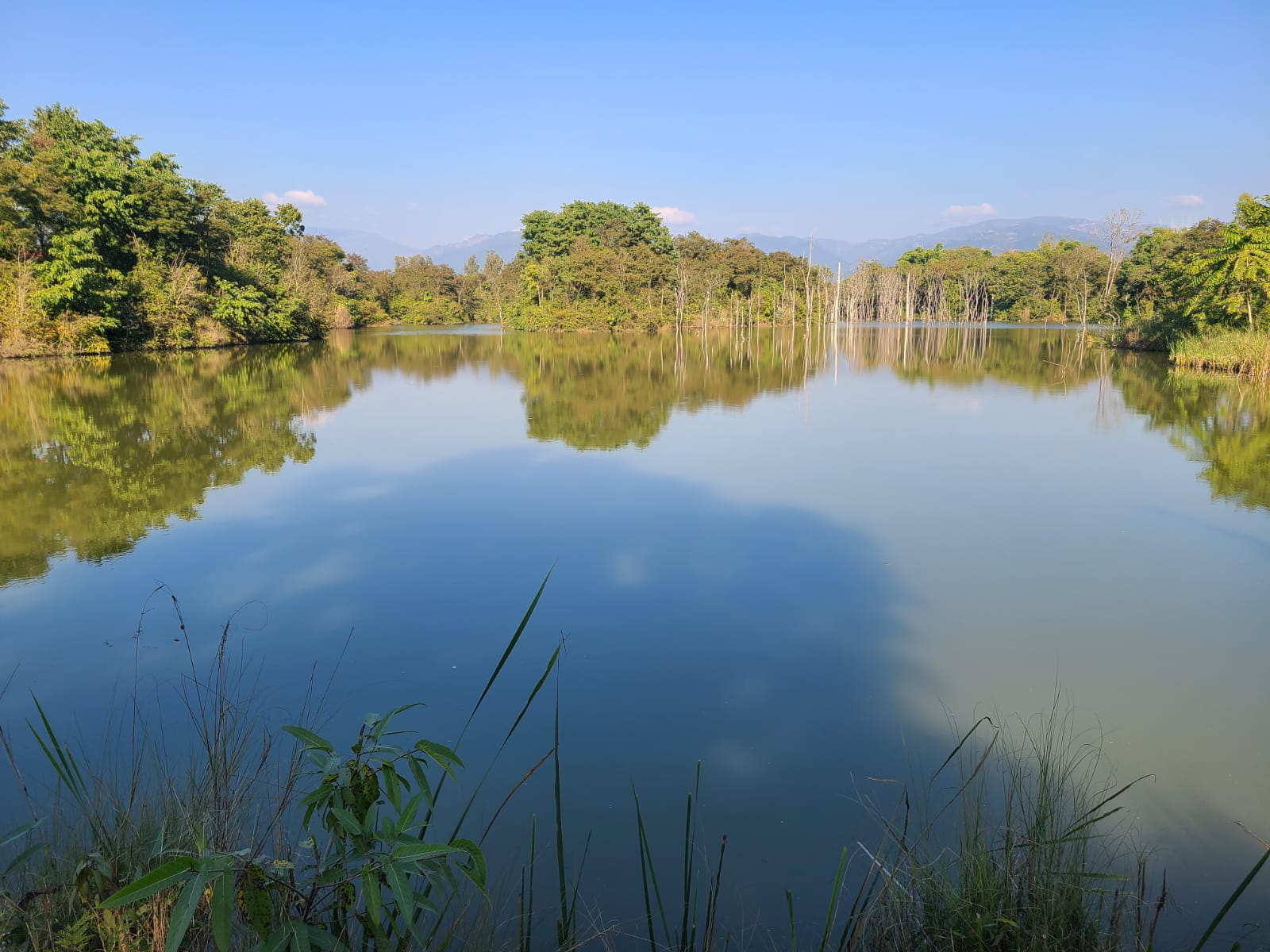
Rammani Pandey, chairperson at ward no 1 and spokesperson of Ghorahi Sub-Metropolis-1 says, “Since this reservoir was built, farmers in 5-6 villages are earning substantial income from vegetable farming. Other businesses have also flourished.”
44 Reservoirs Across 90 Bigha
Ghorahi Sub-Metropolis began building artificial reservoirs in 2017. A total of 44 reservoirs has been constructed to date, beginning with the creation of ponds on available land and blocking of small streams to enable collection of water. The sub-metropolitan office reports that these reservoirs cost NPR 202.1 million.
Madhusudan Khatiwada, Sub-Engineer of the Urban Development, Infrastructure, and Building Standards Implementation Division of Ghorahi Sub-Metropolis said that artificial reservoirs have been constructed in 14 out of the 19 wards of Ghorahi. According to him, the reservoirs cover a total area of 90 bigha (1 bigha is approx. 72900 sq. feet). The federal and provincial governments have also contributed to building these reservoirs.
-1773143896-1773209913-1774253342.jpeg)
Khatiwada added that irrigation from these reservoirs currently reaches 935.61 hectares of land, with a target to expand it to 1,500 hectares.
Although formal records have not yet been compiled, the sub-metropolitan spokesperson, Pandey, estimates that around 50,000 households have directly or indirectly benefited from these reservoirs.
One such reservoir is the Karjahi Reservoir in Ghorahi-17, which now provides irrigation throughout the year. Among the beneficiaries is Baburam Chaudhary. “Earlier, I used to grow vegetables on just 1.5 kattha of land. With water now available, I am cultivating in 15 kattha,” he said. With the income from vegetable farming, he has even bought an additional 10 kattha of land. While many of his friends in the village have gone abroad, Baburam has remained busy with vegetable farming.
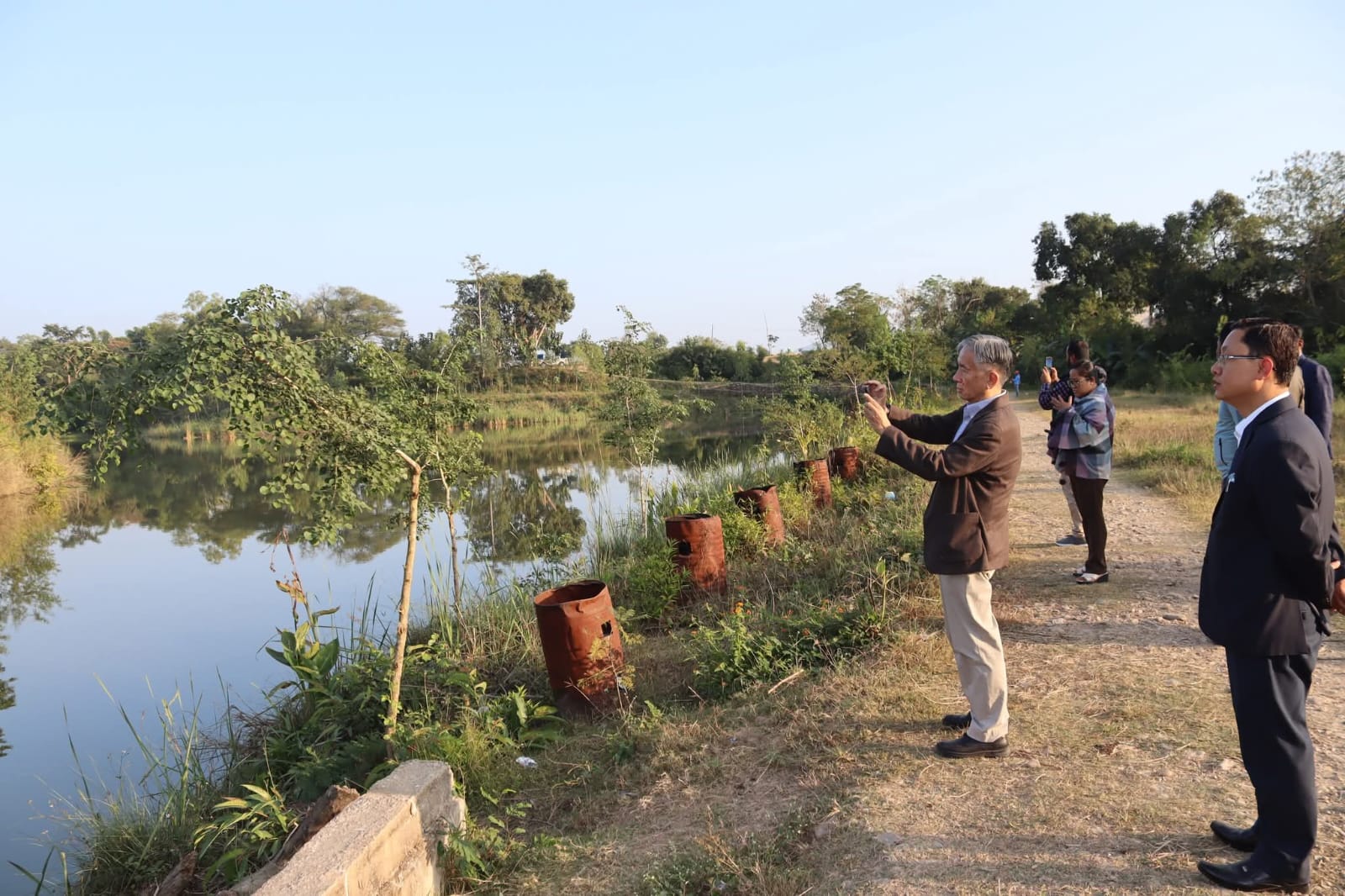
“We villagers were actively involved from the proposal stage to the construction of the reservoir,” he explains. “Now, with the reservoir built by the municipality, our entire village uses it for year-round irrigation and farming.” The reservoir was constructed with the goal of irrigating 77 bigha of land.
“After the reservoir was built, it’s not just the water shortage that has been solved, farmers’ standard of living has also improved,” Baburam adds.
Reservoirs have raised living standards
The reservoirs built in Ghorahi are more than just water storage structures. They have transformed farmers’ lifestyles, improved farming systems, and laid foundation for new basis of rural development.
Villages that once depended solely on monsoon rains now remain green throughout the year. Farmers are not only doing subsistence farming of rice, wheat, maize but also cash crops such as vegetables and fruits.
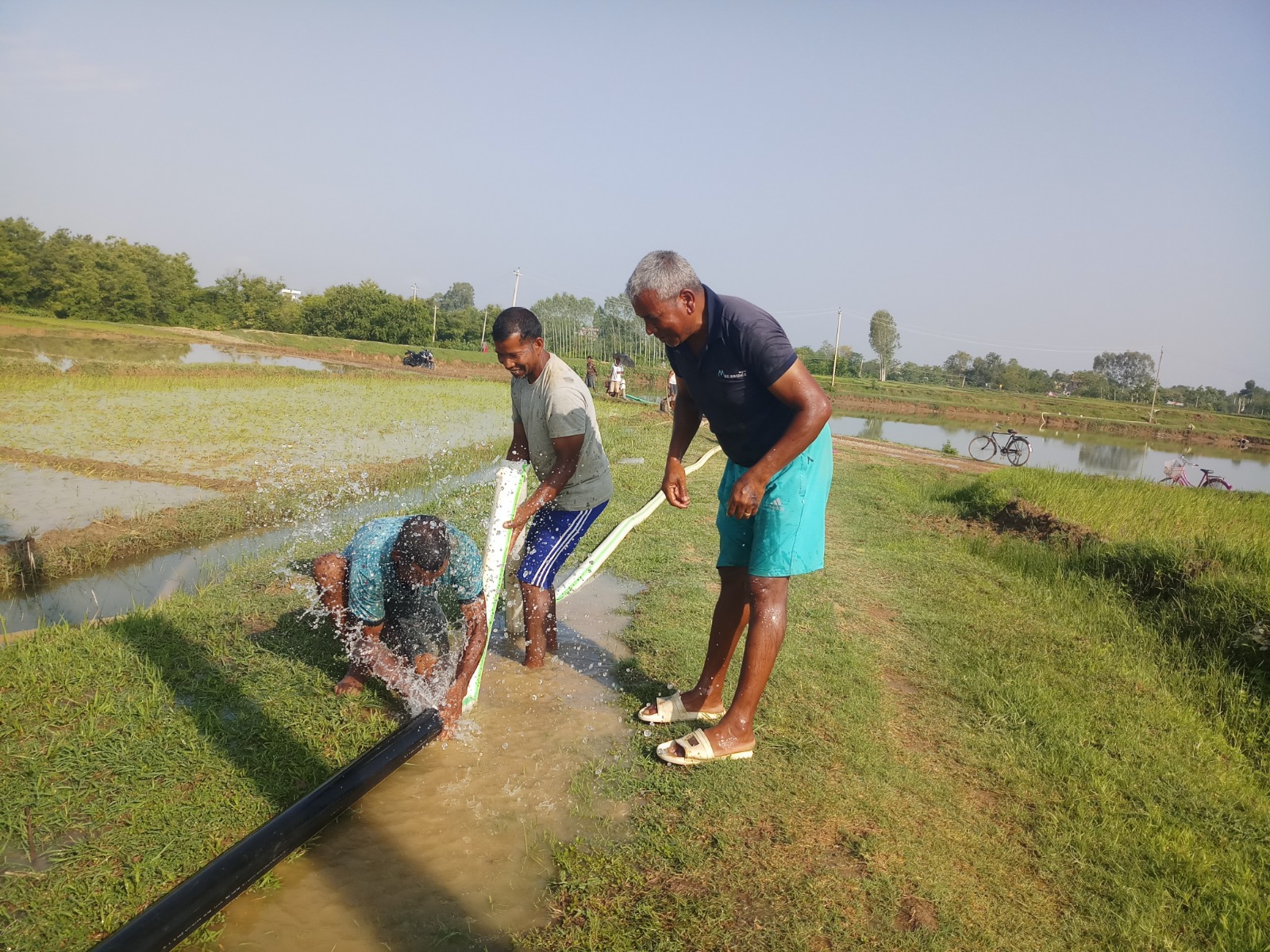
The biggest benefit of the reservoirs is the natural recharging of groundwater which is visible in the wells and deep boreholes. As water seeps into the soil around the reservoirs, fertility has improved. With better harvests, the trend of youth migrating abroad has slowed, and local economy has become more vibrant.
In Ghorahi Sub-Metropolis-6, Dublu Chaudhary from Chor village was once a migrant laborer. After returning from abroad, he stayed in the village and started farming. “Once I realized I could earn well in the village itself, I gave up the idea of going abroad,” he says.
Neem Bahadur Chaudhary from Lakhwar village says farming has become easier since the Lakhwar Reservoir was built near the village ridge. Having returned from five years abroad, he relies on income from the vegetable farming to support his children’s education and household expenses.
-1773143895-1773210806-1774253348.jpeg)
Bhuwan Chaudhary, a civic leader and former president of the Tharu Welfare Association, Dang, notes that artificial ponds have transformed lifestyles in the Tharu-majority settlements. “Earlier, no one from the Tharu community went to the market to sell grains or vegetables,” he says. “Now, every morning Tharu women come to Ghorahi market with baskets of vegetables to sell. This has increased their income and created opportunities for social integration.”
Suresh Gautam, an expert in economies, explains that these reservoirs have become a new foundation for economic transformation, agriculture, and entrepreneurship. According to him, the region has made significant leaps in commercial farming. “Unlike before, land no longer lies fallow in winter. By growing wheat, mustard, maize, or vegetables in different seasons, farmers have increased their income two to three times.”
The Ghorahi sub-metropolitan office has leased many reservoirs to local communities for
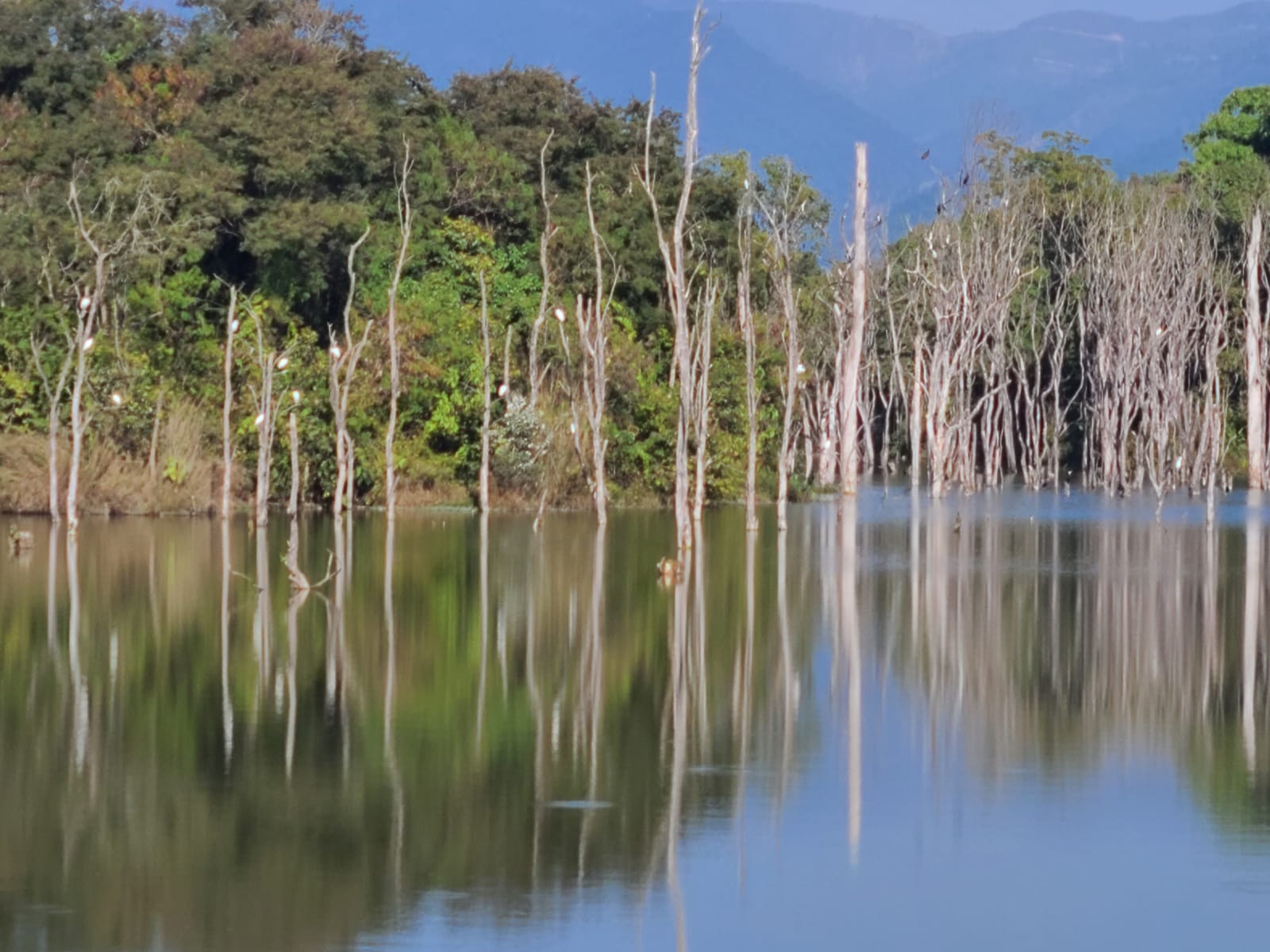
aquaculture. Gautam says a medium-sized reservoir can generate annual fish sales of 500,000 to a million rupees. “Productivity has increased, imports have been substituted, and land value has risen,” he adds. “Local residents’ economic status and access to banks have strengthened.” These reservoirs are making Ghorahi eco-tourism hub.
The many benefits of reservoirs
Last year in mid-May, Nirmal Chaudhary of Ghorahi-16, Maghai, prepared rice beds. But there was no rainfall at the time of rice plantation. “Earlier, planting would finish by June. Last year, since it didn’t rain until the third week of July, we had to pump water from the reservoir to start plantation,” he recalls.
Now, more than 50 bigha of land belonging to farmers from Maghai is irrigated using the same reservoir. “This reservoir is no longer just for irrigation, it’s also a base for livestock farming,” Nirmal adds.
-1773143897-1773209786-1774253341.jpeg)
According to Deepak Chaudhary of Ghorahi-17, Gulariya, the reservoir provides irrigation to 30 bigha of farmland. The Ghorahi Sub-Metropolis built this reservoir on around two bigha of land eight years ago.
Mayor Narulal Chaudhary explained that the municipality initially planned large artificial reservoirs in cold and wetland areas because drought had started affecting rural regions. The Jyamire pool was the first reservoir developed as a large, well-organized structure, and since then, 44 reservoirs have been built across different wards.
Mayor Chaudhary emphasizes that the region has started looking green even in April, thanks to the reservoirs. “While the primary goal was irrigation, these reservoirs have provided multiple benefits,” he says. “They have become a base for tourism, employment, and conservation and development of biodiversity.”
-1773143894-1773211374-1774253351.jpeg)
He also notes that youth migration abroad has decreased and some who had left have returned. The reservoirs have recharged groundwater, revived dried wells, and increased soil fertility.
“Every year, representatives from local governments across the country visit to observe the reservoirs. The number of visitors around the reservoirs has also increased,” the mayor adds. “Tourists have boosted sales in shops, hotels, and restaurants. Income has also increased through fish farming and boating.”
Near the Gangate Reservoir in Ghorahi-16, Bahundanda, the Green Forest Resort has been established. Ved Bahadur Oli, who initially started with fish farming in the reservoir, opened the resort as tourist numbers grew. He shared that the resort now earns 250,000 rupees per month and offers food, lodging, and seminar facilities. “The main attraction here is local chicken and fish. Sometimes we even have to outsource chickens from Rolpa because our local supply isn’t enough,” he adds.
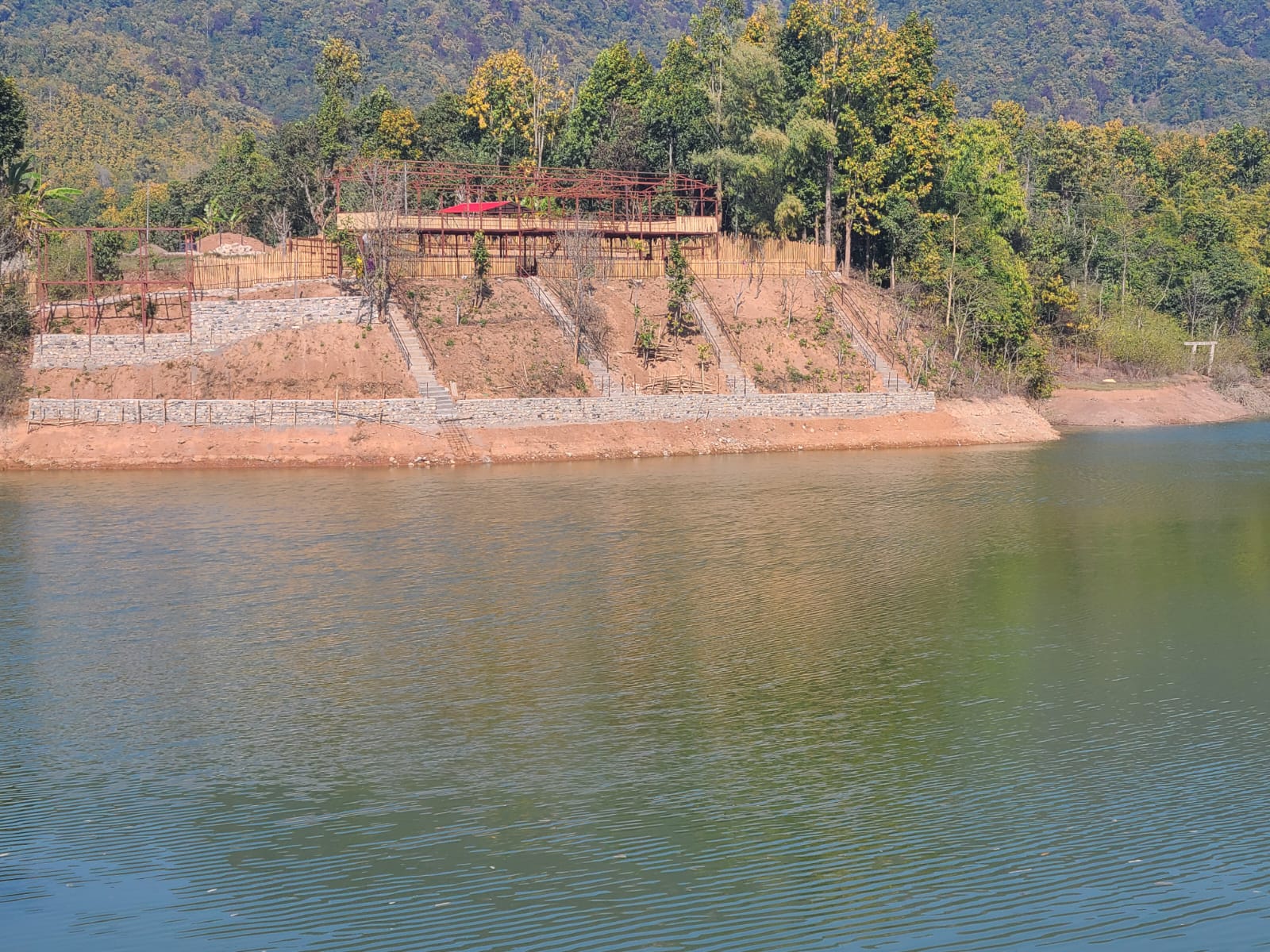
At the edge of Karjahi reservoir, Ghorahi-17, Sharmila Chaudhary runs a snack stall. “After the reservoir was built, more people started coming here. That’s when I opened this stall,” she says. The business now helps her cover her children’s education and household expenses.
According to Rammani Pandey, spokesperson of Ghorahi Sub-Metropolitan City, over 150 shops, hotels, and resorts have opened along the edges of the 44 reservoirs.
Sudarsan Rijal, Associate Professor at Mahendra Multiple Campus, Dang, says the reservoirs have greatly contributed to biodiversity conservation and environmental balance. “After construction, water levels have risen in previously dry wells and ponds,” he notes. “They guarantee long-term water security.” Birds of various species have returned, and local microclimates have improved. He also highlights indirect benefits on economic transformation, social justice, women’s empowerment, and environmental balance.
Local resident Binod KC adds that wildlife and birds have started appearing around the reservoirs. “Greenery has increased, and birds have safe habitats,” he says.
Across Ghorahi, reservoir construction has recharged the soil and raised water levels in wells and boreholes. “Earlier, wells and ponds would dry up by February,” says Tara Chaudhary of Ghorahi-17, Karjahi. “Now, they remain full even until June.”
Similarly, after the Dhikpur Reservoir in Ghorahi-17 was built, boreholes in fields no longer run dry during the dry season, says local resident Jagbir Chaudhary. “Water that used to disappear in March now lasts until June,” he adds.
Nagendra Chaudhary of Ghorahi-16, Maghai, says it has become much easier to provide water to livestock. “Earlier, we had to spend hours fetching water from the Babai River or nearby streams for our cattle,” he explains. “Now with the reservoir, that problem is gone. As a result, livestock farming has increased again in the village.”
He concluded that the reservoirs play a vital role in improving the overall farming system and making daily life easier for farmers.
More Investigative Stories
One Water Crisis, Three Governments, Three Directions
Despite the expenditure of millions of rupees on water, lake and watershed conservation in Kailali, groundwater levels are falling, lakes...
One River, Two Governments
The Local Government Operation Act gives local governments the authority to collect revenue from riverbed materials such as stone, gravel...
Comment Here