Investigative Stories
Climate Change Deepens the Crisis in Madhesh
As climate change makes weather patterns increasingly unpredictable, agriculture in Madhesh and the livelihoods of millions of families who depend on it are coming under growing threat.

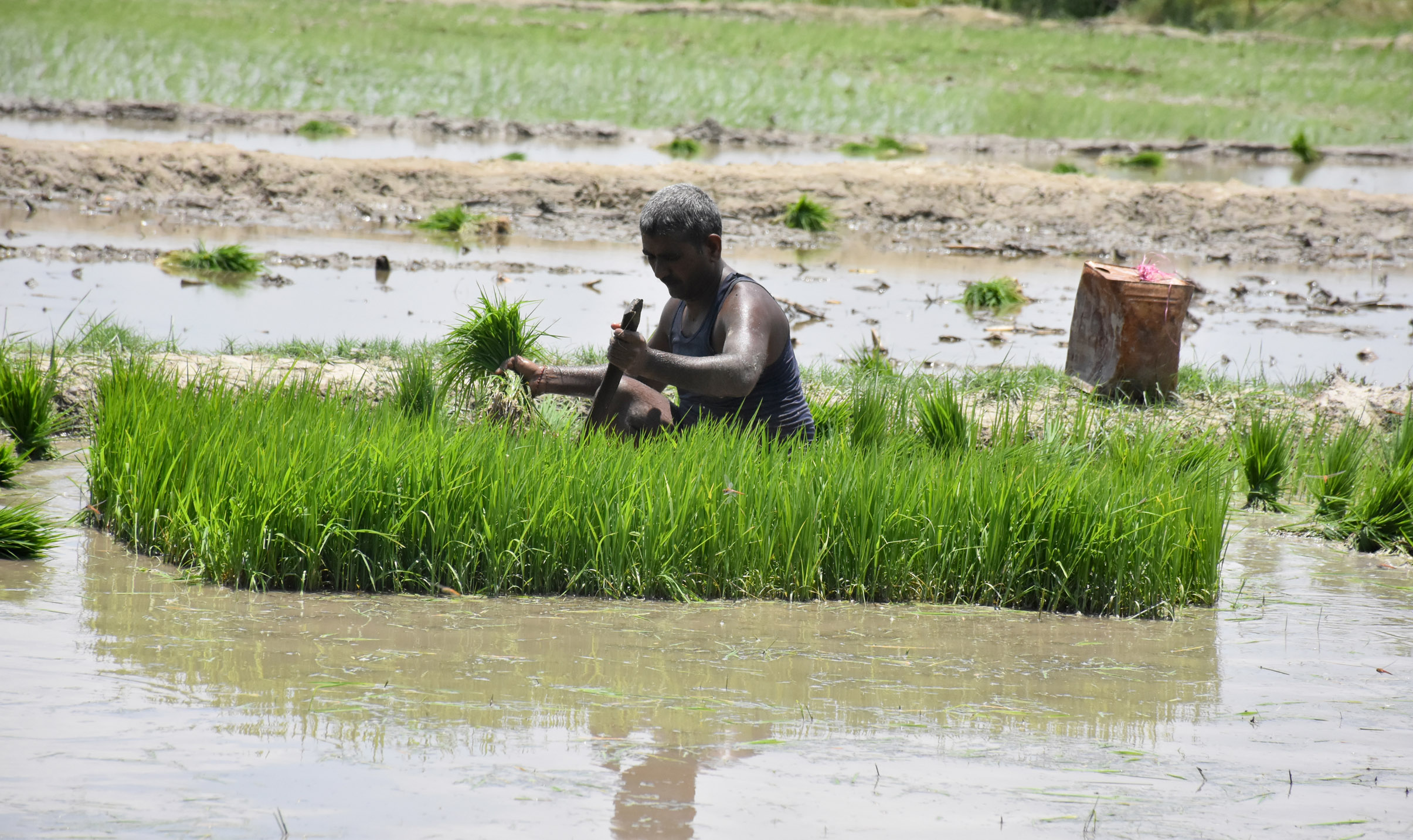
By the second week of July, Sabita Sada, a farmer from Manrasiswa -10, Madhwa in Mahottari had still not transplanted her paddy. Unseasonal rain, windstorms and scorching heat repeatedly disrupted the sowing season, delaying seedbed preparation. The delay in preparing the seedbed pushed back the entire planting cycle. When it was finally time to transplant, the fields remained dry because the rains had yet to arrive.
"First the rain and windstorms in April and May made life difficult, then came the intense heat in June," Sada said. "We somehow managed to sow the seeds around mid-June. Even by mid-July, there hasn't been enough rain. How are we supposed to transplant the paddy?"
Like Sabita, most farmers across Madhesh find themselves trapped in uncertainty this year. Under normal conditions, paddy seedbeds are prepared between the second and last week of May. This year, however, unseasonal rainfall turned fields into mud just as seeds were to be sown. That was followed by intense heat, which dried them out. As a result, by the second week of July, only 33 percent of paddy transplantation had been completed across Madhesh.
This is not simply the outcome of one unusual season. It is another warning that rising global temperatures are beginning to threaten food security itself.
Empty Fields
More than 70 percent of households in Madhesh Province depend primarily on agriculture for their livelihoods. In recent years, however, increasingly frequent extreme weather events have begun to undermine the province's agricultural system.
Dev Narayan Mandal, a farmer from Mauwahi in Mithileshwar Municipality, Dhanusha, cultivates around six bighas of paddy every year. This season, he too has been left anxious by the erratic weather.
"Every time we prepared the fields, it rained," he said. "You cannot sow seeds in fields that are muddy and waterlogged." Because of the unusual weather, Mandal could not prepare the seedbed on time. Even those who managed to do so saw their seedlings stolen from the fields. Although he irrigated his seedbeds using a borewell, around ten katthas of his land remained unplanted by mid-July.
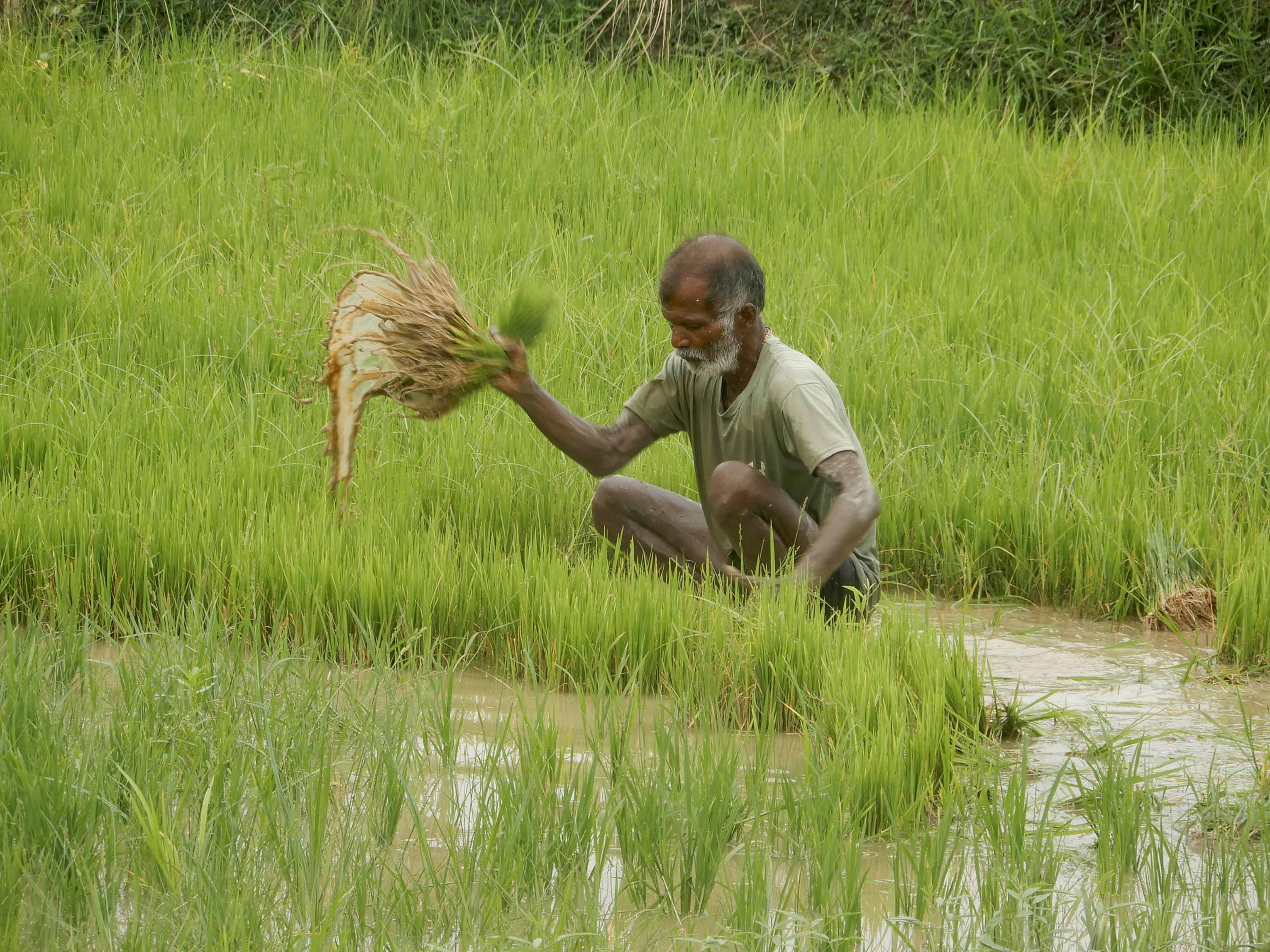
Paddy is not the only crop affected. The erratic weather has also severely damaged mangoes, one of Madhesh's most important cash crops. Ram Kishor Jha, a farmer from Bhalohiya in Durga Bhagwati Rural Municipality in Rautahat, said this year's harvest had initially looked promising.
"The mango trees flowered well, so we expected a good harvest," he said. "But the windstorms and hailstorms destroyed everything. We had even sprayed pesticides while the trees were flowering, so that investment was lost as well."
According to the Agriculture Development Directorate in Naktajhij, mango production in Madhesh fell by 21 percent this year because of adverse weather conditions and increased pest infestations, despite an expansion in the cultivated area.
In fiscal year 2025/26, mangoes were cultivated on 32,574 hectares across the province, with an average yield of 9.04 metric tonnes per hectare. The previous fiscal year, mangoes were grown on 29,880 hectares, producing an average yield of 11.43 metric tonnes per hectare.
Total mango production declined by 46,878 metric tonnes this year, falling from 341,445 metric tonnes last year, even though the area under cultivation expanded by 2,694 hectares. In fiscal year 2023/24, Madhesh Province produced around 395,000 metric tonnes of mangoes.
Climate Change Intensifies Crisis in Agriculture
The impacts of climate change in Madhesh extend far beyond paddy and mangoes. In recent years, increasingly erratic monsoons, prolonged droughts, hailstorms, windstorms and episodes of intense rainfall have affected food grains, ve etables, fruits and cash crops alike. Heavy rainfall during harvest periods has also damaged crops that were ready for collection.
According to the Department of Hydrology and Meteorology, Madhesh received between 30 and 50 percent less rainfall than average during last year's monsoon. In some places, rainfall amounted to just 12 percent of normal levels. The Janakpur Office of the Department of Hydrology and Meteorology reports that maximum temperatures between mid-July to mid-October have been rising steadily in recent years.
"We are seeing temperatures rise every year," said Rajiv Jha, head of the Janakpur office. "Even when it rains, it now falls very heavily over a short period. That leaves fields waterlogged, submerges crops and increases agricultural losses."
Experts say that, unlike in the past, when rainfall was spread over longer periods, Madhesh is increasingly experiencing short bursts of intense rain. This has reduced the natural recharge of groundwater. As a result, groundwater reserves are declining while flash floods and surface runoff are increasing. The consequences are becoming increasingly evident in irrigation as well.
Farmers say that in many places where groundwater was previously reached at depths of 70 to 75 feet, borewells now have to be drilled to depths of 300 to 400 feet.
According to the Study of Groundwater Status and Drought Resilience in Madhesh Province (2025), prepared by the United Nations Office for Project Services (UNOPS) and submitted to the National Assembly's Development, Economic Affairs and Good Governance Committee, groundwater levels have fallen by more than three metres across several districts in the western and central parts of Madhesh Province.
Once the groundwater table fell below the seven- to eight-metre suction limit of hand pumps, more than 60 percent of hand pumps across Madhesh ran dry. The study estimates that during the 2025 drought, groundwater storage across the province declined by approximately 3.675 billion cubic metres, far exceeding annual groundwater recharge during drought years, estimated at only around 300 million cubic metres.
The findings suggest that the groundwater crisis is not simply the result of a single season of poor rainfall. Rather, it reflects a deeper structural imbalance between groundwater recharge and extraction.
According to Nepal's 2021 National Population and Housing Census, most households in Madhesh Province depend on tube wells and hand pumps for drinking water. Together, they account for 71.8 percent of the province's primary drinking water sources.
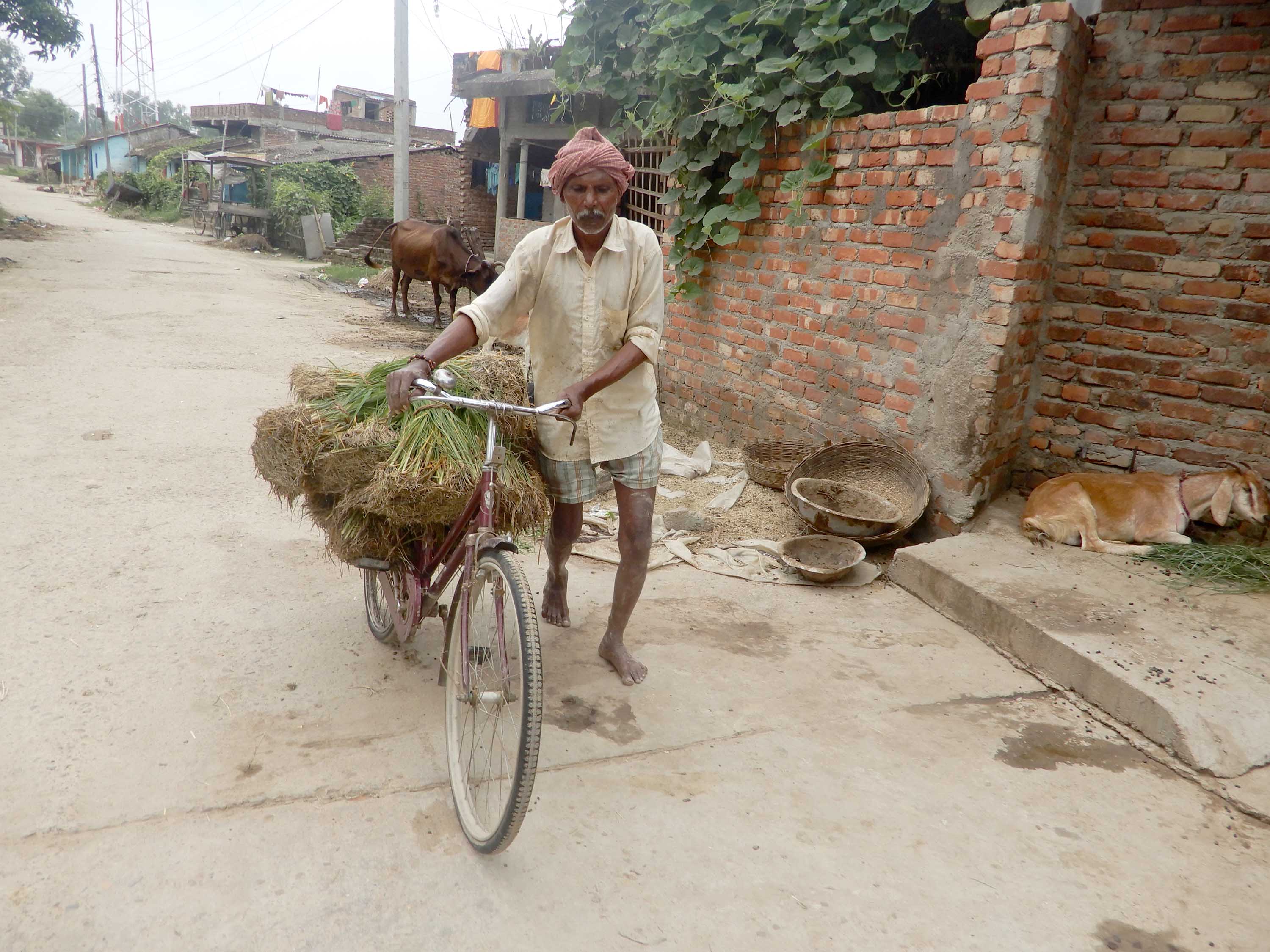
Over the past three years, however, reduced monsoon rainfall has caused between 30 and 40 percent of hand pumps across Madhesh to run dry during the winter months. In 2025, severe water shortages began as early as July, forcing the provincial government to supply drinking water by fire engines and water tankers to Birgunj, Kalaiya, Jaleshwar, Manara Shiswa and many other areas.
"We somehow survived on tanker water last year," said Shashi Sah of Jaleshwar. "If another drought like that happens, the municipalities still have no preparation for how they will respond."
The “Slow Burn Drought”
According to Dr. Bishweshwar Prasad Yadav, Director of the Nepal Agricultural Scientists Society in Madhesh Province, climate change is fundamentally reshaping the region's agricultural system.
"Our groundwater table is falling continuously. The cost of irrigation has increased. Farmers are reaching a point where cultivation itself is becoming unviable," he said. "If we want to save agriculture, the government's first priority must be irrigation management."
The effects of climate change are also evident in temperature records. Data from NASA's Moderate Resolution Imaging Spectroradiometer (MODIS) show that between 2013 and 2022, the number of extremely hot days increased steadily in Janakpur and Birgunj. Days with temperatures ranging between 32 and 41 degrees Celsius have become increasingly common, while temperatures above 41 degrees Celsius have also been recorded, indicating a growing frequency of heatwaves across Madhesh.
Farmer Asarfi Sahani says the heatwaves have made it increasingly difficult to work in the fields.
"In the past, we could work even during the afternoon with nothing more than a cloth wrapped around our heads," he said. "Now it feels as though the heat will burn us alive."
The Rapid Situational Analysis published by the International Centre for Integrated Mountain Development (ICIMOD) in 2025 describes Madhesh's worsening water crisis as a "slow burn drought."
According to the study, which was conducted in collaboration with Nepal's Ministry of Agriculture, drought in Dhanusha, Mahottari and Siraha alone is expected to reduce paddy production by nearly 450,000 metric tonnes, leading to an estimated 10 percent decline in Nepal's overall supply.
Government data show that in a normal year, more than 92 percent of paddy transplantation across Madhesh is completed by early July. During drought years, however, that figure falls to just 51 percent.
According to the Department of Hydrology and Meteorology, Nepal received only around 20 percent of its normal winter rainfall during the winter of 2024/25. Between March and June 2025, the Tarai-Madhesh region experienced 22 extremely hot days with temperatures exceeding 40 degrees Celsius.
By comparison, the winter of 2021/22 received around 60 millimetres more rainfall than average. The three winters that followed remained consistently dry. During the winter of 2024/25, the Department recorded no rainfall at all at 49 of its monitoring stations.
This prolonged drying trend is now having a profound impact on both agriculture and soil moisture across Madhesh.
From Drought to Flood, Farmers Face a Double Blow
For Rajinandan Sah, a farmer from Rautahat, the 2025 paddy season is one he will never forget.
"During the drought, we somehow managed to save the crop by pumping water from borewells. It was expensive," he recalled. "We thought we would at least get a good harvest in the end. But when it came time to harvest, heavy rain flooded the fields. A year's worth of hard work was washed away, and our debts only increased."
After delayed monsoon rains severely affected paddy transplantation in 2025, the federal government, acting on the recommendation of the Madhesh Province Government, declared Madhesh a disaster crisis zone for three months. Continuous rainfall and flooding later in the season, just as the paddy was ripening, compounded the losses.
According to the Agriculture Development Directorate, flooding and inundation caused agricultural losses worth approximately NPR 5.34 billion across Madhesh Province in 2025. Paddy cultivated on 42,069 hectares across all eight districts was affected. Rautahat suffered the greatest damage, where flooding affected 10,243 hectares of paddy fields, resulting in losses estimated at nearly NPR 1.23 billion.
During the 2026 monsoon too, delayed preparation of paddy seedbeds suggested that transplantation would be delayed by a month.
"In the past, once the Rohini Nakshatra began, we knew it was time to transplant paddy," said 70-year-old farmer Sogarath Das of Mukhiyapatti Musaharniya in Dhanusha. "Now it doesn't even rain during Rohini. Everything has changed."
A press note on paddy production estimates issued by the Ministry of Agriculture and Livestock Development states that drought, erratic monsoons and floods during the ripening season have reduced both the area under paddy cultivation and overall productivity.
The decline in rice production is also weighing heavily on the provincial economy. According to provincial Gross Domestic Product (GDP) estimates published by the National Statistics Office, Madhesh Province's economic growth is projected to reach just 1.31 percent in the 2026/27 fiscal year, the lowest among Nepal's seven provinces. The contraction of the agricultural sector is identified as the principal reason.
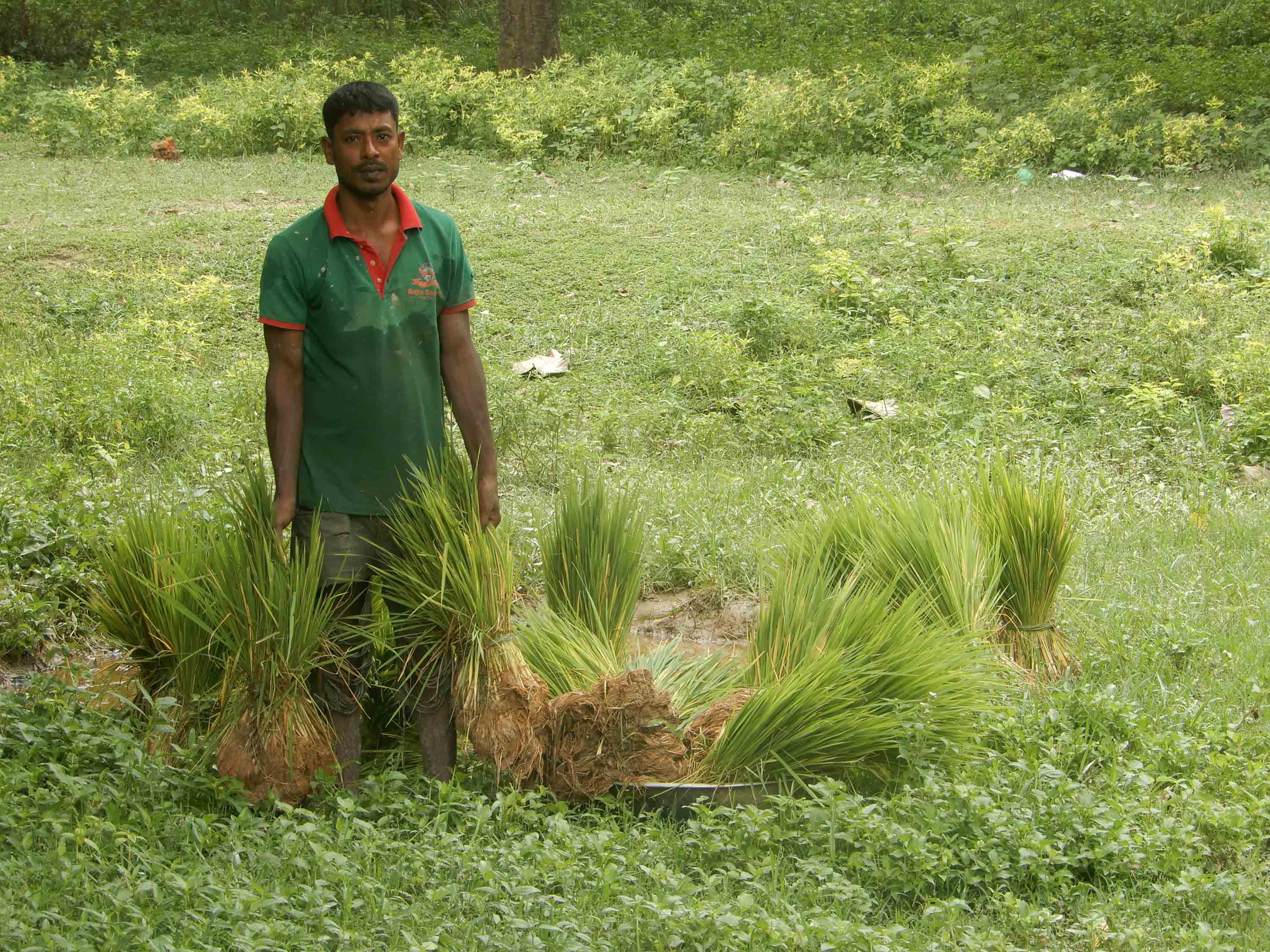
Professor Dr. Bhogendra Jha says that declining agricultural production affects far more than farmers' incomes.
"When agricultural production falls, it not only reduces farmers' earnings but also drives up the prices of food grains, vegetables, fruits, sugarcane, rice, wheat and other agricultural products," he said. "Supply imbalances also affect industries, trade and services linked to agriculture. All of these factors reduce the province's overall economic output and ultimately drag down gross domestic product."
Plans Exist, Implementation Remains Weak
The Madhesh Province Government has made a number of policy commitments aimed at addressing climate change and protecting agriculture. Its policy and programme for fiscal year 2026/27 includes groundwater recharge, rainwater harvesting, pond conservation, reservoir construction, strengthening irrigation systems, a climate fund and green bonds. Agricultural experts, however, argue that unless these programmes are implemented effectively, farmers are unlikely to see any meaningful relief.
According to Dr. Madan Sigdel, Associate Professor at the Central Department of Hydrology and Meteorology at Tribhuvan University, rainfall across Nepal's central Tarai has been declining steadily, while both maximum and minimum temperatures continue to rise.
"We can no longer treat climate risks as ordinary natural events," he said. "All three levels of government need dedicated budgets for climate adaptation, stronger incentives for farmers, investment in alternative crops, water conservation and research. What we need now is implementation, not just speeches."
Experts say Madhesh's agricultural system can still be protected by expanding rainwater harvesting, small-scale irrigation schemes, soil and water conservation, mixed farming, climate-resilient crop varieties and integrating local weather forecasting into agricultural planning.
Agriculture remains the foundation of Madhesh's economy. Yet even as increasingly extreme weather continues to damage the sector, the provincial government has neither a comprehensive risk reduction strategy nor made climate resilience a meaningful budget priority.
The provincial budget for fiscal year 2026/27 allocates only eight percent of total expenditure to agriculture. Even within that allocation, only one programme under the Ministry of Agriculture specifically addresses climate-related agricultural risks. As outlined in the budget, the province has introduced a parametric crop insurance programme that provides a 50 percent provincial subsidy on insurance premiums to help reduce losses caused by windstorms, drought and floods.
Madhesh Province's Minister for Land Management, Agriculture and Cooperatives, Shyam Prasad Patel, acknowledged that without greater investment in agriculture, promises of prosperity would remain little more than political rhetoric.
"Agriculture in Madhesh is highly vulnerable to climate-related disasters. Agricultural production is already declining," Patel said. "I repeatedly drew the Chief Minister's attention to this issue, but everyone can see the kind of budget that was ultimately presented. Now we will try to provide whatever relief we can to farmers within the limited budget we have."
Meanwhile, Sabita Sada of Mahottari continued to wait for the day she could transplant her paddy. Her fields were ready, but the weather was not. First there was too much rain; now there was none. That uncertainty threatened not only her harvest but also the livelihoods of thousands of farmers like her.
Unless climate-responsive agricultural policies, reliable irrigation systems, water conservation measures and farmer-centred adaptation programmes are implemented without delay, the risk is no longer confined to farmers alone. Madhesh, the country's food basket, may itself face a future of growing food insecurity.
More Investigative Stories
Who Does The Annapurna Belong To?
In fiscal year 2082/83 BS, the Annapurna Conservation Area Project (ACAP) received 508,000 visitors and collected more than NPR 1.77...
Politicized Budget Distribution in Madhesh is Contrary to the Spirit of Federalism
From small projects that local governments can implement themselves to the selection of projects based on political connections, the pattern...
Comment Here